The often-cited "$1–3 trillion in Afghan mineral wealth" figure traces back to a US Geological Survey Afghanistan Mineral Resource Assessment (Open-File Report 2007-1214 and subsequent studies) and a 2010 US Department of Defense / Pentagon Task Force report. The dollar value is a future-resource estimate at speculative prices, not a measured-and-bankable reserve. What's accurate: Afghanistan hosts geologically significant mineral occurrences across multiple commodities, with very different operating-environment readiness for each. This piece walks through the seven most-cited categories with USGS-anchored geology and current operational reality.
1. Fluorspar — Operational at Commercial Scale
Kandahar and Helmand provinces contain high-quality fluorspar (CaF₂) deposits. Bare Syndicate's Kandahar acid-grade operation runs at 200 TPD on a 62 km² lease with reserves disclosed up to 8.8 Mt. The Kandahar deposit produces acid-grade (CaF₂ ≥ 97%) and metallurgical / ceramic / cement grades. Among Afghan minerals, fluorspar is the most operationally mature — actual production reaching seaborne markets through Karachi-port shipping.
2. Chromite — Intermittent Production in Logar Province
Logar province hosts significant chromite (FeCr₂O₄) deposits with Cr₂O₃ content typically 40–48%, comparable to Pakistani Waziristan and Turkish chromite. Production has been intermittent due to operating-environment conditions; quality is metallurgical-grade-acceptable. Re-establishment of consistent supply depends on infrastructure and security conditions in the producing region.
3. Copper — Mes Aynak Is the Headline, Smaller Operations Are Reality
Mes Aynak in Logar province is one of the world's largest undeveloped copper deposits — variously estimated at 12.5+ million tonnes of contained copper. The deposit is sediment-hosted with both sulphide and oxide mineralisation. Development has been delayed since the original Chinese consortium agreement; current status is contested and progress depends on operating-environment and contractual resolution. Smaller copper occurrences across the country support artisanal and small-scale mining at various scales.
4. Rare Earth Elements — Khanneshin Carbonatite Complex
Helmand province contains the Khanneshin carbonatite complex with light rare earth element (LREE) potential — relevant to permanent-magnet production for EVs and wind turbines. USGS assessments identified deposits; current exploration and development is constrained by operating-environment conditions. Realistic production timeline depends substantially on regulatory and security context.
5. Lithium — Nuristan and Nangarhar Pegmatites
Pegmatite deposits in Nuristan and Nangarhar provinces contain lithium-bearing minerals (spodumene, lepidolite). The deposits are real and identified by USGS Afghanistan assessment work; commercial production is constrained by infrastructure and access. As lithium demand grows for EV batteries, attention to these deposits will increase, but the deployment timeline is 5–10+ years from current state to material production.
6. Iron Ore — Hajigak in Bamyan Province
The Hajigak deposit in Bamyan province contains an estimated 1.8 billion tonnes of iron ore at high grade (62–68% Fe) — one of the largest undeveloped iron-ore deposits globally. Original development agreements (Indian-led consortium, separate Chinese consortium for portions) have been contested or delayed. Material production depends on infrastructure (rail, port access) that doesn't currently exist at Hajigak.
7. Gemstones — Operational at Artisanal Scale
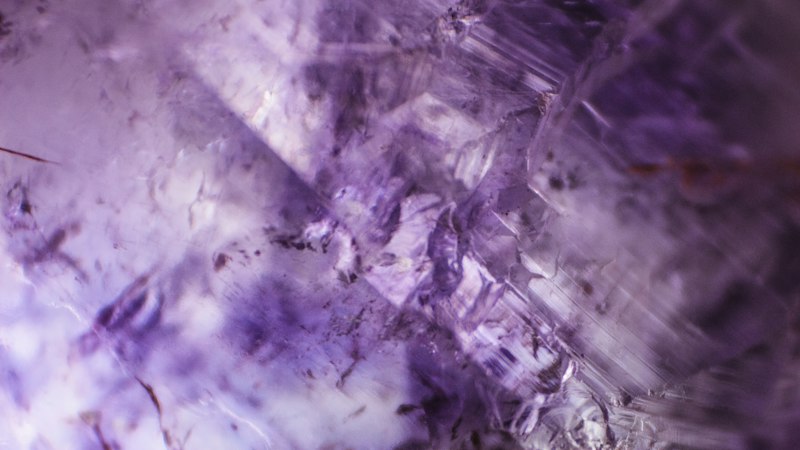
Afghanistan produces emeralds (Panjshir Valley), rubies (Jegdalek), lapis lazuli (Badakhshan), tourmaline (Nuristan), and other gemstones at artisanal scale. Trade is significant in value but small in tonnage; the supply chain runs through Kabul / Peshawar / Bangkok dealer networks. Formal export channels are limited.
Where Afghanistan-Opportunity Reads Misfire
- Stating "$1–3 trillion" as a current reserve value. The figure is a future-resource estimate at speculative prices, not a measured-and-bankable reserve. Always qualify with USGS source and methodology.
- Stating Mes Aynak is "in production" or "starting production imminently." Development has been delayed across multiple investor consortiums; current status is contested.
- Inventing specific tonnages for any Afghan deposit beyond USGS or operator disclosures. Reserve confidence varies; speculative figures mislead.
- Equating fluorspar (operational) with Hajigak iron, REE, or Mes Aynak (not in production). Operational readiness varies dramatically.
- Stating Afghan rare earth potential without acknowledging the resource-vs-reserve distinction. Identified occurrences are not the same as bankable resources.
- Extrapolating Bare Syndicate Kandahar fluorspar success to other commodities. Fluorspar operates; other commodities have different operating-environment requirements.
- Stating gemstone trade volumes without acknowledging the informal-trade reality. Formal channels capture a fraction of total trade.
What This Means for Buyers and Investors
For buyers, Afghan fluorspar from established operators (Bare Syndicate's Kandahar operation among them) is commercially available now. Other Afghan minerals operate at smaller-scale or pre-development; supply availability is opportunistic or contractual-relationship-dependent. For investors, Afghan minerals carry the resource-quality vs operating-environment-risk trade-off; the realistic timeline to material new production for most non-fluorspar minerals is multi-year and contingent on context.
Next step: Discuss Afghan fluorspar sourcing with Bare Syndicate's Kandahar operation — acid-grade CaF₂ ≥ 97% with premium battery-electrolyte and semiconductor grades available; full export documentation via Karachi-port shipping.
Additional Market Context
The standard reference sources for commodity-trade procurement: USGS Mineral Commodity Summaries (annual, mineral-by-mineral chapters), ICSG / ILZSG / ICDA monthly bulletins (commodity-specific), Fastmarkets / Argus / Platts indexed pricing (subscription, with selected free coverage), LME / COMEX / SHFE / GFEX / ICE exchange data (daily settlements), IEA Critical Minerals Outlook (annual scenario analysis), and Wood Mackenzie / CRU / Roskill specialised services (subscription). The OECD Due Diligence Guidance covers supply-chain due diligence across minerals.
For Pakistani and Asian counterparties specifically, Pakistan State Oil, OGRA, OCAC, Hindustan Zinc, Vedanta, and ENRC (Kazakh chromite) provide regional supply-side data. Bilateral US Critical Mineral Arrangements (Japan, UK, EU in negotiation) shape the regulatory framework for cross-border mineral trade.
Last reviewed: 2026-05-16. USGS Afghanistan assessment references current at review; operating-environment context evolves and affects deposit-specific realities.