"Emerging-region chromite" is a category that includes producers ranging from quality-competitive Pakistani Waziristan operations to artisanal Albanian and Madagascan deposits with wildly variable supply reliability. A buyer signing supply from any of them needs a structured diligence framework — the same seven dimensions applied to every counterparty. Saying "Pakistan chromite is good" or "Afghan chromite is risky" without the framework underneath misses the variation within each origin. This is the seven-point checklist that procurement, trading, and credit teams should run on every non-traditional chromite supplier. For the supply-side reason these emerging regions are gaining share — the chromite cost stack and why South African margins are tightening — see chromite mining economics.
1. Grade Quality — Cr₂O₃, Cr:Fe, SiO₂ Profile
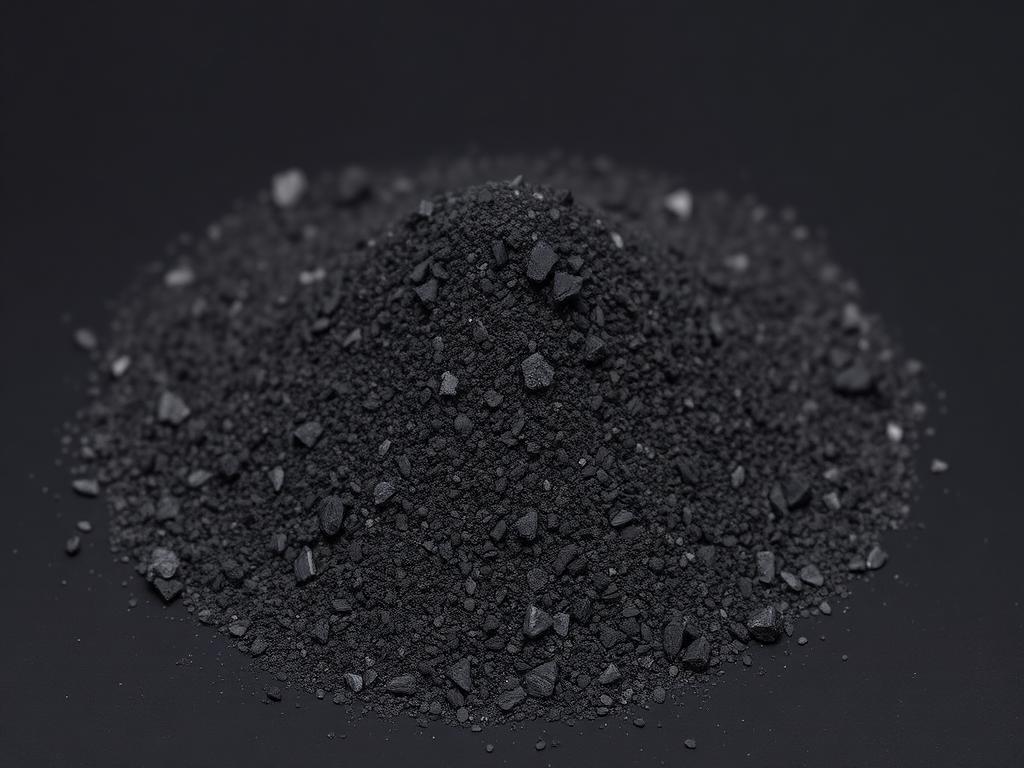
Pakistani Waziristan and Balochistan chromite frequently delivers Cr₂O₃ 42–48% with Cr:Fe ratios meeting metallurgical-grade specifications (≥ 2.5:1 in good lots). Afghan Logar province chromite is comparable when accessible. Albanian and Madagascan ore quality varies more widely — Cr₂O₃ in the 32–46% range is reported across operations. Quality is not the differentiator between "developing-country" and "established" supply; the differentiator is consistency. Independent assay by SGS, Alfred H Knight, or Bureau Veritas on every cargo is the contract gate.
2. Mining Method — Mechanised vs Manual
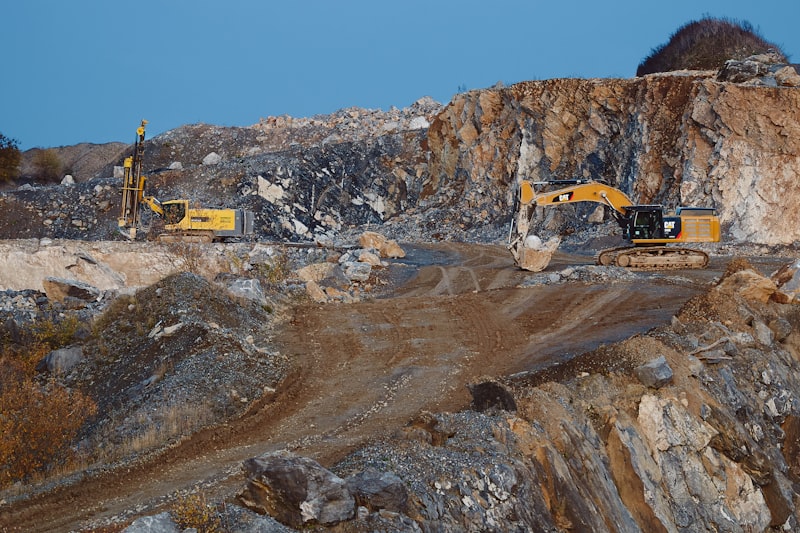
Larger operations in Pakistan (Waziristan formal-licence holders) and Albania use mechanised underground or open-pit methods with safety systems and engineering supervision. Smaller and artisanal operations across all developing regions rely on manual extraction with variable safety practice. The mining-method question matters for: cargo-to-cargo consistency, ESG audit pass/fail, and customer acceptance (some smelters require declaration of mining method). Bare Syndicate's Waziristan operation is mechanised with formal mining-licence documentation.
3. Logistics — Distance to Port, Trucking, Port Capacity
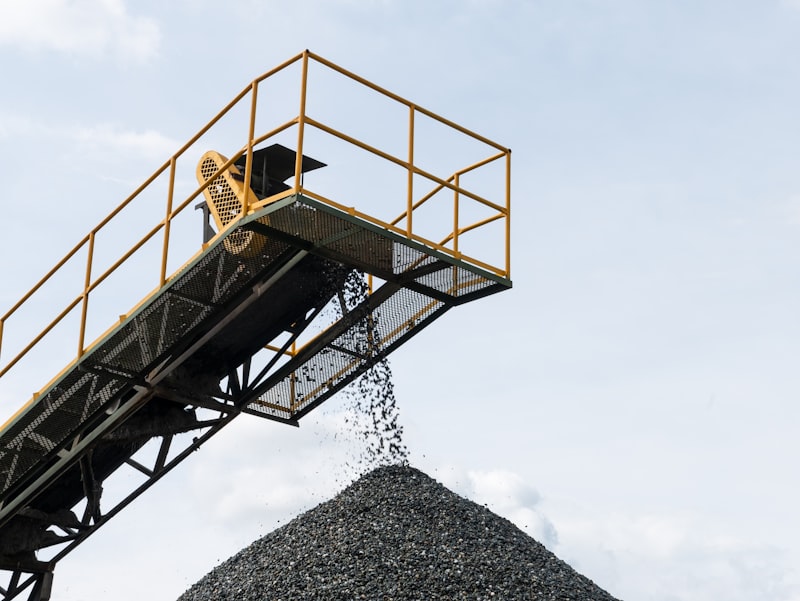
The single biggest determinant of delivered cost for emerging-region chromite is logistics. Pakistani Karachi-port-routed cargoes deliver to Chinese smelters at competitive landed cost. Afghan Logar requires multi-day overland trucking to Karachi or Bandar Abbas; the freight component can be 40–60% of CIF cost. Albanian and Madagascan logistics depend on local port handling capacity. Logistics-savvy traders capture margin that less-organised competitors leave on the table.
4. Regulatory Framework — Mining Code, Royalty, Export Duty
Pakistani mining is governed by federal and provincial codes (Baluchistan Mineral Rules 2002, Khyber Pakhtunkhwa Minerals Sector Governance Act 2017, others). Afghan regulation is under the Ministry of Mines and Petroleum. Albanian mining is regulated under EU-adjacent codes with European-aligned environmental requirements. Pakistan's chromite export currently does not have specific export duties or licence requirements at the federal level; some provincial taxes apply. EITI (Extractive Industries Transparency Initiative) membership signals regulatory transparency where applicable.
5. Community and Social Licence
Mining operations in developing regions depend on community acceptance. In Pakistani Waziristan, federal mining licences include royalty arrangements with provincial governments that fund local development; community-relations investment is part of operational continuity. Afghan and Madagascan operations require similar engagement. Operations without community support face supply-chain disruptions that show up as missed delivery windows.
6. Price Competitiveness Through the Cycle
Lower labour and overhead costs in developing regions can translate to all-in sustaining cost 30–50% below South African Bushveld marginal producers (sector estimates; varies by operation and cycle position). This makes developing-region chromite particularly competitive at low parts of the cycle — operations that remain profitable when South African margins compress. At cycle highs, the cost advantage shrinks but the supply diversification value remains.
7. Supply Diversification Value to the Buyer
For buyers concerned about over-reliance on Bushveld supply (single-jurisdiction risk: load-shedding, labour disputes, transport infrastructure), developing-region chromite carries optionality value beyond its cost economics. A 20–30% allocation to non-Bushveld supply in a procurement book is a defensible diversification posture per most modern supply-chain risk frameworks.
Where Developing-Country Chromite Reads Misfire
- Generalising "developing country chromite is high quality." Quality varies enormously within and between regions. Pakistani Waziristan formal-licence material is quality-competitive; some Madagascan ASM material is not. The variance is the issue.
- Stating "Pakistan exports chromite without restriction" without checking current federal and provincial rules. Rules evolve.
- Assuming mechanised mining is universally available across emerging-region suppliers. Check the specific operation.
- Claiming ASM (artisanal and small-scale) chromite at scale. ASM tonnages have wide confidence bands; relying on them for procurement planning is risk-loaded.
- Equating "developing country" with "lower cost." Some developing-region operations have higher costs than mechanised Bushveld operations because of logistics or scale disadvantages.
- Omitting the umpire-assay clause from emerging-region contracts. Quality dispute resolution matters more, not less, when origin is non-traditional.
- Stating Afghan chromite "is available at scale" without acknowledging the operating-environment risk premium. Quality exists; deliverability is the variable.
Procurement Posture for Emerging-Region Chromite
The seven-point diligence framework is a per-counterparty exercise. A buyer can run all seven on a specific Pakistani producer (Bare Syndicate's Waziristan operation, for instance) and arrive at a clear yes/no on each dimension. The framework also surfaces remediation paths — a counterparty with logistics issues can sometimes solve them; a counterparty with quality variance issues usually cannot. Use the framework before LOI, not after a delivery problem.
Next step: Run the seven-point diligence framework against Bare Syndicate's Pakistani Waziristan chromite supply — formal mining licence, mechanised extraction, SGS-class assays, Karachi port logistics, established federal-level regulatory standing. View the chrome ore portfolio.
Additional Market Context
The International Chromium Development Association (ICDA) Quarterly Statistical Bulletin tracks chromite mine production, ferrochrome output, and stainless steel consumption. The USGS chromium commodity page provides annual production data. worldstainless (formerly ISSF) publishes monthly stainless steel production statistics with country breakdown. Fastmarkets MB UG2 Chrome Ore Concentrate CIF China anchors pricing; the old quarterly European Charge Chrome Benchmark ended in June 2024.
For procurement teams sourcing chromite, the South African Department of Mineral Resources and Energy quarterly production data, Glencore-Merafe ferrochrome operator disclosures, and Tharisa / Samancor / IFM operator updates inform supply-side dynamics. Pakistani Waziristan / Balochistan and Turkish chromite supply differentiation against South African Bushveld product is the core diversification trade.
Last reviewed: 2026-05-16. Regulatory framework references are current at review date; verify against jurisdiction-specific updates for any contract-stage diligence.