Sugar is the second-most-traded soft commodity globally (after coffee), with international trade exceeding 65 million tonnes annually per ISO and USDA FAS data. Two ICE Futures contracts anchor pricing: ICE No. 11 raw sugar (¢/lb, FOB physical reference) and ICE No. 5 white sugar (USD/MT). The two contracts have a tradeable spread — the "white premium" — that reflects refining-sector profitability. This piece covers the ICUMSA grading system, the global supply landscape, and the Pakistan / African market realities that move actual cargoes.
ICUMSA Grading System
The International Commission for Uniform Methods of Sugar Analysis (ICUMSA) provides the global colour classification:
- ICUMSA 45: Refined white sugar — the premium grade for direct consumption, confectionary, beverages. Colour ≤ 45 ICUMSA units, polarisation 99.8%.
- ICUMSA 100–150: Plantation white sugar — suitable for food manufacturing and industrial use.
- ICUMSA 600–1,200: Raw sugar (VHP — Very High Polarisation) — the most-traded internationally, destined for refining. ICE No. 11 references this grade.
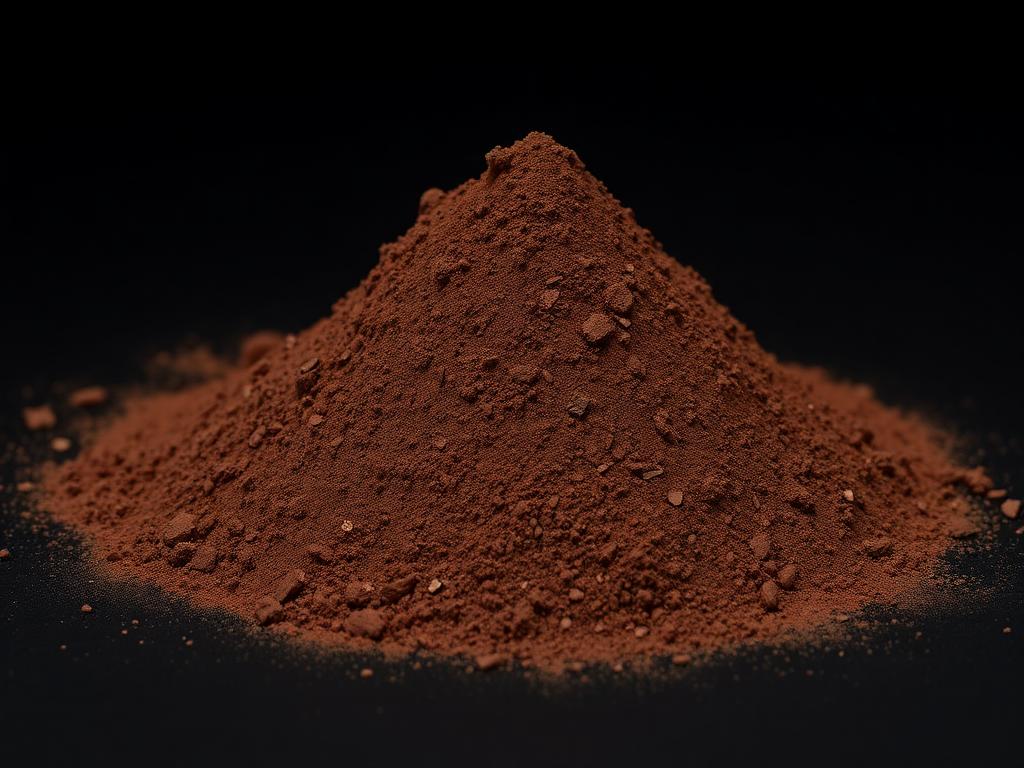
- ICUMSA 1500+: Brown / muscovado sugar — specialty and direct consumption markets.
Global Supply Landscape
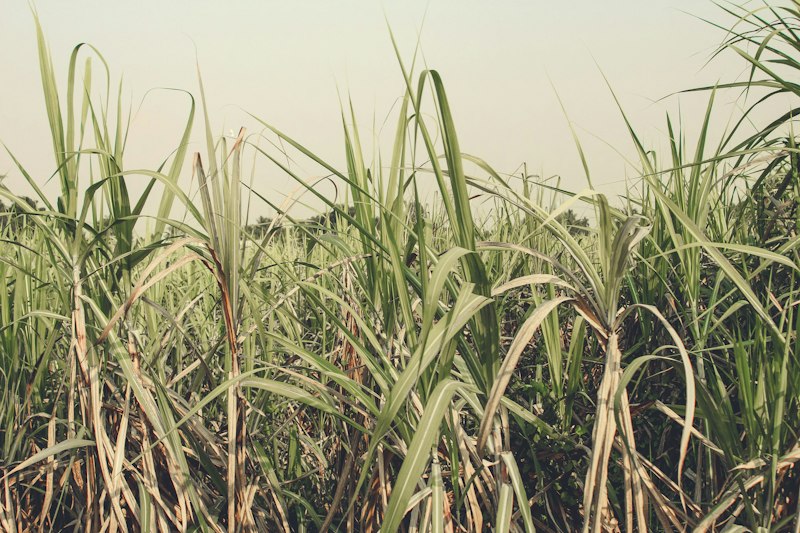
Brazil dominates global sugar exports at approximately 30 million tonnes annually per Conab and USDA FAS data, followed by India, Thailand, Australia, and Guatemala. Production is seasonal and weather-dependent: Brazilian harvests April–November, Indian harvests October–March, creating predictable pricing cycles. The Brazilian sugarcane crop competes with ethanol production — when ethanol prices and gasoline-parity economics favour ethanol, mills divert cane, tightening sugar exports. UNICA (Brazilian sugarcane industry association) tracks this mix biweekly.
Pakistan's Sugar Market
Pakistan is one of the world's top-five sugar producers (~7 million tonnes annually) but oscillates between surplus and deficit depending on sugarcane yields. In deficit years, the country imports 1–2 million tonnes — primarily raw sugar for refining. Government import policies (TCP tenders, ECC import / export permits, subsidies, duties) materially influence trade flows. Pakistan Sugar Mills Association (PSMA) data and Trading Corporation of Pakistan (TCP) tender history provide the operational context.
African Markets
Sub-Saharan Africa imports approximately 8–10 million tonnes of sugar annually. Nigeria, Kenya, Tanzania, Ethiopia, and other major importers. Growing populations, urbanisation, and expanding beverage / confectionary industries drive 4–6% annual demand growth. COMESA and ECOWAS trade agreements influence preferential sourcing decisions. Brazilian, Indian, and Thai sugar competes for these markets.
Trading and Pricing Mechanics
ICE No. 11 (raw) traded as ¢/lb; ICE No. 5 (white) traded as USD/MT. The white premium (No. 5 minus No. 11 expressed in $/MT terms) is the refining-margin indicator — high when refining capacity is squeezed, low when refining capacity is ample. Physical premiums / discounts on the futures reflect origin (Brazilian FOB Santos vs Thai FOB Si Racha), quality, logistics, and payment terms. F.O. Licht / Czarnikow reports and trade press cover the physical market. Successful sugar traders manage currency risk (BRL, INR, PKR, NGN) and freight volatility through hedging and structured trade finance.
Where ICUMSA Trading Trips Up
- Stating "sugar price" without specifying ICE No. 11 (¢/lb) or No. 5 (USD/MT). Different units, different cargoes.
- Confusing "polarisation" with "ICUMSA." Polarisation measures sucrose content (typically 99.5–99.95%); ICUMSA measures colour.
- Asserting Brazilian production figures without citing Conab or UNICA and the year. Annual variation is meaningful.
- Omitting Brazilian ethanol-sugar mix context. Ethanol diversion materially affects Brazilian sugar export volumes.
- Stating Pakistan exports sugar consistently. Pakistan oscillates between surplus and deficit; ECC permits drive the direction year to year.
- Assuming EU sugar regime is restrictive. The quota system ended in 2017; subsequent reforms have shifted EU pricing behaviour materially.
What This Means for Sugar Buyers
For sugar procurement, the ICUMSA grade specification, ICE contract reference (No. 11 or No. 5), origin (FOB Santos / Si Racha / etc.), and payment structure define the contract. Documentation typically includes Certificate of Origin, Certificate of Quality, Phytosanitary Certificate, and weight/quality determination by independent surveyor. Bare Syndicate's sugar portfolio covers ICUMSA 45 (white refined), ICUMSA 150 (off-white), and Raw VHP (ICUMSA 600–1,200) grades.
Next step: Discuss sugar sourcing with Bare Syndicate's Agro Commodities division — multi-grade sugar supply from Brazilian, Indian, and South Asian origin networks.
Additional Market Context
ICE Futures US Cocoa (CC, New York) and ICE Futures Europe Cocoa (C, London) are the primary cocoa benchmarks. The International Cocoa Organization (ICCO) Monthly Review of the Market tracks global supply-demand. For sugar, ICE No. 11 (raw) and ICE No. 5 (white) are the global benchmarks; USDA Foreign Agricultural Service and F.O. Licht / Czarnikow publish supply analysis. For vegetable oils, BMD FCPO (Bursa Malaysia palm oil) and CBOT Soybean Oil are the major benchmarks; USDA FAS Oilseeds provides quarterly outlook. MPOB and GAPKI cover Malaysian and Indonesian palm oil production respectively.
Regulatory context: EU Deforestation Regulation (Regulation 2023/1115) covers cocoa, palm oil, and several other commodities entering the EU market; phased application has shifted via Commission delegated acts. The Living Income Differential of $400/t applies to FOB Côte d'Ivoire and Ghana cocoa per Conseil Café-Cacao and Cocobod implementations.
Pricing Reference and Audit Trail
Every price reference in this article is dated; every authority citation is named. For agricultural commodity procurement, the named-authority list includes: ICE Futures US Cocoa (CC) and ICE Futures Europe Cocoa (C), ICE No. 11 raw sugar and No. 5 white sugar, BMD FCPO crude palm oil and CBOT Soybean Oil. USDA Foreign Agricultural Service provides comprehensive market analysis; Conab (Brazil), MPOB (Malaysia), GAPKI (Indonesia), and ICCO cover producer-side data. F.O. Licht / Czarnikow publish sugar-specific analysis; Oil World covers vegetable oils.
Regulatory: EU Deforestation Regulation (Regulation 2023/1115, EUDR) governs cocoa, palm oil, and several other commodities entering the EU market; phased application has shifted via Commission delegated acts. The Living Income Differential of $400/t applies to FOB Côte d'Ivoire and Ghana cocoa per Conseil Café-Cacao and Cocobod implementations.
Pricing audit trail: All price references in this article are dated as of 2026-03-30 (source: the named indices and benchmark publications cited above — Fastmarkets, Argus, Platts, ICE, LME, CME, USDA FAS, ICCO, USGS, ICSG, ILZSG, and operator disclosures as applicable). Verify current values against the source publication at transaction stage.
Last reviewed: 2026-05-16. ICE prices and policy references current at review; verify against current trade-press and government disclosures at contract stage.