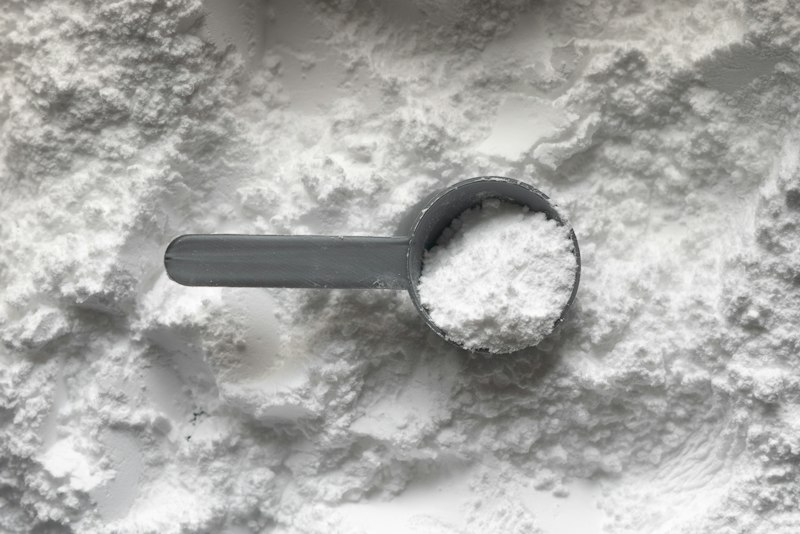
Gypsum Powder
Origin: Ground at Bare Syndicate Karachi facility from Khewra / Kohat rock
Ground gypsum 100–325 mesh | Agricultural amendment, plaster, dental & food-grade
Available grades & specifications+
Agricultural Powder 100 Mesh
CaSO₄·2H₂O ≥ 92%, 100 mesh (<150 µm)
Agricultural amendment, soil correction
Industrial Plaster 200 Mesh
CaSO₄·2H₂O ≥ 95%, 200 mesh (<75 µm)
Industrial plaster, wallboard
Dental / Food Grade (α-Hemihydrate)
ADA No. 25 / ISO 6873, Type IV/V dental plaster
Dental impression plaster, food-grade calcium sulfate
Micronized 325 Mesh
CaSO₄·2H₂O ≥ 95%, 325 mesh (<45 µm)
Paint filler, paper filler, plastic compounding
Grade comparison +
| Property | Agricultural Powder 100 Mesh | Industrial Plaster 200 Mesh | Dental / Food Grade (α-Hemihydrate) | Micronized 325 Mesh |
|---|---|---|---|---|
| Mesh / Form | 100 mesh (<150 µm) | 200 mesh (<75 µm) | α-hemihydrate, fine | 325 mesh (<45 µm) |
| Purity / Standard | CaSO₄·2H₂O ≥ 92% | CaSO₄·2H₂O ≥ 95% | ADA No. 25 / ISO 6873 / 21 CFR 184.1230 | CaSO₄·2H₂O ≥ 95% |
| Primary Use | Soil amendment | Industrial plaster, wallboard | Dental plaster, food calcium sulfate | Paint, paper, plastic filler |
| Packaging | 50 kg bags / 1 t jumbo | 25 kg bags, palletized | 25 kg sealed-liner bags | 25 kg bags, palletized |
Origin & supply chain +
Milled at Bare Syndicate Karachi from Khewra & Kohat Rock
Bare Syndicate's gypsum powder is produced at our Karachi grinding facility from premium Pakistani rock feed (Khewra-Choa Saidan Shah and Kohat origins). Standard powder grades (100 and 200 mesh) are produced on dedicated mills with cyclone classifiers; micronized 325 mesh material is produced on a separate fine-grinding line for paint, paper, and plastic-compounding applications. Dental and food-grade α-hemihydrate plasters are calcined under autoclaved conditions to ADA Specification No. 25 / ISO 6873 (dental) and 21 CFR 184.1230 (food calcium sulfate) standards, with batch-traceable documentation from independent laboratories.
FAQ +
What's the difference between β-hemihydrate and α-hemihydrate plaster?
β-hemihydrate (industrial plaster of Paris) is produced by calcining gypsum in open kettles at 120–180 °C — used for general construction plaster, wallboard, and craft plaster. α-hemihydrate (dental and high-strength plaster, ADA Type IV/V per Specification No. 25 / ISO 6873) is produced under autoclaved or wet-calcination conditions at higher temperatures — denser crystal form, higher compressive strength, used in dental impression plaster and food-grade calcium sulfate manufacture.
Why use gypsum powder for soil amendment?
Gypsum (CaSO₄·2H₂O) is a non-acidifying source of calcium and sulfur for soil — particularly valuable for sodic soil reclamation (Ca²⁺ displaces Na⁺ at clay exchange sites, restoring soil structure), saline-alkaline soil correction, and as a sulfur supplement for crops where elemental S is too slow-release. Standard application rate: 2–10 t/ha depending on soil sodicity.
What's the dental / food-grade specification?
Dental plaster meets ADA Specification No. 25 / ISO 6873 — Types I (impression plaster), II (model plaster), III (dental stone), IV (die stone, high-strength), V (high-expansion die stone). Food-grade calcium sulfate (E516) meets US 21 CFR 184.1230 and EU food additive purity criteria — used as firming agent, anti-caking, and tofu coagulant.
What's typical export packaging?
Agricultural powder ships in 50 kg paper bags or 1 t jumbo bags inside 20 ft containers FOB Karachi. Industrial plaster (200 mesh) ships in 25 kg paper bags palletized inside containers. Dental and food-grade powders ship in 25 kg sealed-liner bags with lot-traceability documentation. Lead time 3–5 weeks.