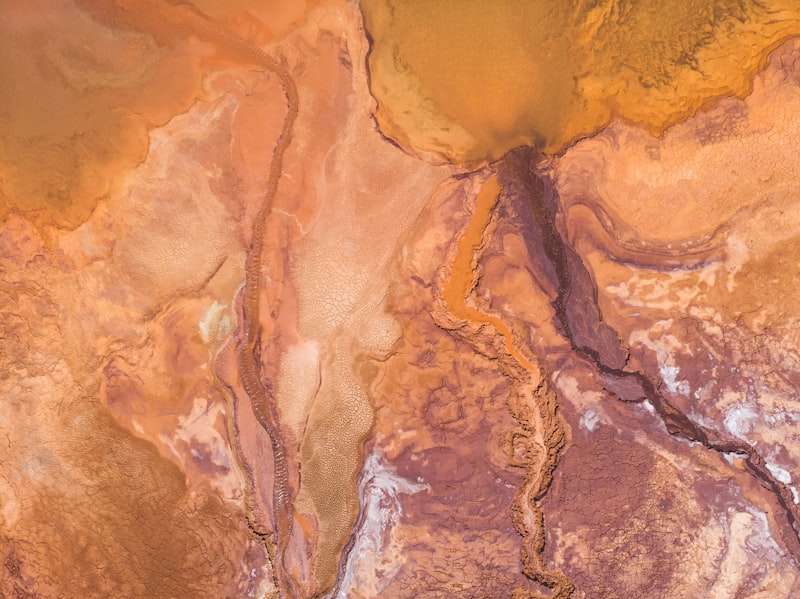
Iron Ore (Magnetite & Hematite)
Origin: Chiniot (Punjab), Kalabagh (Punjab) & Nokkundi (Balochistan)
Fe 51–62% magnetite & hematite | BOF steelmaking, DRI, pelletizing feed
Available grades & specifications+
Magnetite Lump (Fe 55–60%)
Fe₃O₄ 90%+, Fe 55–60%, lump 10–40 mm
BOF steel, pellet feed
Magnetite Fines (Fe 55–60%)
Fe₃O₄ 90%+, Fe 55–60%, fines <10 mm
Pelletizing, sinter feed
Hematite Lump (Fe 38–42%)
Fe₂O₃ 85%+, Fe 38–42%, oolitic, lump 10–40 mm
DRI / sponge iron blend, BOF blend
Beneficiated Concentrate (Fe 62%+)
Fe 62%+, fines, pelletizing feed
Premium pelletizing, DRI
Grade comparison +
| Property | Magnetite Lump (Fe 55–60%) | Magnetite Fines (Fe 55–60%) | Hematite Lump (Fe 38–42%) | Beneficiated Concentrate (Fe 62%+) |
|---|---|---|---|---|
| Mineral | Fe₃O₄ | Fe₃O₄ | Fe₂O₃ (oolitic) | Fe₃O₄ / Fe₂O₃ blend |
| Fe Content | 55–60% | 55–60% | 38–42% | 62%+ |
| Form | Lump 10–40 mm | Fines <10 mm | Lump 10–40 mm | Fines, pellet feed |
| Primary Use | BOF steel, pellet feed | Pelletizing, sinter | DRI / sponge iron blend | Premium pelletizing, DRI |
Origin & supply chain +
Sourced from Chiniot, Kalabagh & Nokkundi
Bare Syndicate's iron ore comes from three of Pakistan's strategically developed deposits. The Chiniot magnetite (Punjab) is the country's largest classified iron ore body — Punjab Mineral Company has confirmed ~165 Mt of resource at 51–56% Fe, with total potential resource estimates substantially higher. Kalabagh (Punjab) hosts Eocene sedimentary oolitic hematite at 35–42% Fe, accessible by road haulage. Nokkundi (Balochistan) provides magnetite-bearing skarn material from the volcanic belt that also hosts Reko Diq. Independent assays from SGS or Bureau Veritas accompany every cargo, with the 62% Fe CFR China Platts IODEX as the benchmark reference for pricing.
FAQ +
What's the difference between magnetite and hematite?
Magnetite (Fe₃O₄) is a magnetic iron oxide with theoretical 72.4% Fe; commercial Pakistani Chiniot grades run 51–60% Fe. Hematite (Fe₂O₃) is non-magnetic with theoretical 69.9% Fe; Pakistani oolitic hematite from Kalabagh runs 35–42% Fe (lower because of sedimentary host with carbonate gangue). For iron pyrite (FeS₂, a sulfur feedstock not a true iron ore), see the separate iron-pyrite product page.
What are Pakistan's main iron ore deposits?
Three primary deposits: Chiniot (Punjab) — magnetite-dominant body developed by Punjab Mineral Company, classified resource ~165 Mt at 51–56% Fe with substantial additional inferred resource potential; Kalabagh (Punjab) — sedimentary oolitic hematite hosted in the Eocene Sakesar Formation at 35–42% Fe; and Nokkundi (Balochistan) — magnetite-bearing skarn in the same Cenozoic volcanic belt as Reko Diq. Smaller deposits at Dilband (Balochistan), Pachin Koh, and Chitral support regional supply.
Which grades feed which steelmaking route?
Lump iron ore (10–40 mm) feeds BOF blast furnaces directly. Fines (<10 mm) feed sinter plants or pelletizing operations. Magnetite is preferred for pelletizing (forms harder pellets due to its magnetic properties). DRI / sponge iron feed is typically lump or pellet with Fe ≥ 62% and low silica — Pakistani run-of-mine generally requires beneficiation to reach DRI spec.
What's typical export packaging?
Iron ore ships in 25 MT bulk containers (FOB Karachi or Gwadar) or by Capesize / Panamax vessel for cargoes above 50,000 t. Independent assays for Fe content, gangue (SiO₂, Al₂O₃), and contaminants (P, S) accompany every shipment. Lead time 4–6 weeks.