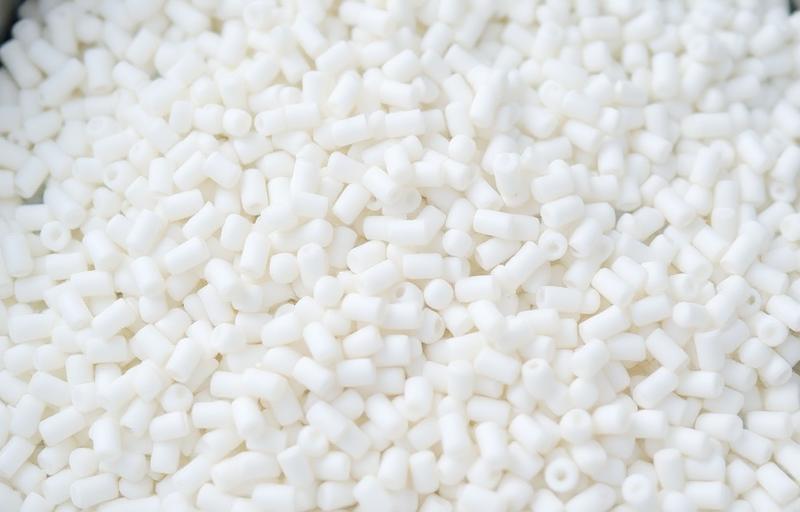
Polyethylene
Origin: Gulf Region
HDPE, LDPE, LLDPE — Packaging & Industrial
Available grades & specifications+
HDPE Film Grade
MFI: 0.3–1.0 g/10min
Packaging films, Pipes
LLDPE Injection
MFI: 20–30 g/10min
Injection moulding, Containers
Grade comparison +
| Property | HDPE Film Grade | LLDPE Injection |
|---|---|---|
| Density (g/cm³) | 0.941–0.965 | 0.918–0.935 |
| MFI (g/10min) | 0.3–1.0 | 20–30 |
| Tensile Strength | 25–45 MPa | 15–25 MPa |
| Elongation at Break | 500–800% | 600–900% |
| Primary Use | Films, Pipes, Bottles | Moulding, Containers, Wraps |
| Processing Method | Blown film, Extrusion | Injection moulding |
Origin & supply chain +
Gulf Region Premium Supply
We source polyethylene resins from leading Gulf-region petrochemical producers — including world-scale plants in Saudi Arabia, UAE, and Qatar that benefit from low-cost ethane feedstock, resulting in globally competitive pricing. These facilities operate state-of-the-art metallocene and Ziegler-Natta catalyst technologies to produce consistent, high-quality resins across the full HDPE, LDPE, and LLDPE spectrum. Our established procurement relationships enable access to a comprehensive grade portfolio covering film, blow moulding, injection moulding, pipe, and rotomoulding applications. Logistics are managed through major Gulf hub ports with regular container services and bulk vessel options to South Asia, East Africa, Southeast Asia, and beyond. Every shipment includes certificate of analysis, material safety data sheets, and customs documentation for seamless import clearance.
FAQ +
What is polyethylene used for?
Polyethylene is the world's most widely used plastic, accounting for over 30% of total plastics demand. HDPE is used in pipes, containers, bottles, and packaging films. LDPE is used in plastic bags, shrink wrap, and flexible packaging. LLDPE is used in stretch films, injection moulding, and industrial liners.
What is the difference between HDPE and LLDPE?
HDPE (High Density Polyethylene) has a rigid, strong structure with high crystallinity, ideal for pipes, containers, and blow-moulded bottles. LLDPE (Linear Low Density) is more flexible with better puncture resistance and clarity, making it ideal for stretch films, wraps, and injection moulding.
What is MFI and why does it matter?
Melt Flow Index (MFI) measures how easily polyethylene flows when melted, expressed in grams per 10 minutes. Low MFI (0.3–1.0) indicates high molecular weight, suitable for films and pipes. High MFI (20–30) indicates easier flow, ideal for injection moulding. Selecting the correct MFI grade is critical for processing efficiency and end-product quality.
What packaging does Bare Syndicate offer for polyethylene?
Polyethylene resins are supplied in 25 kg bags on pallets, 1 MT jumbo bags (FIBCs), or in bulk via pneumatic tanker trucks for large-volume buyers. All packaging is designed for safe maritime transport with proper moisture barriers and load securing.
What certifications do your polyethylene grades carry?
Our polyethylene grades come with full material safety data sheets (MSDS), certificates of analysis (COA) showing MFI, density, tensile strength, and additive packages. Food-contact grades carry FDA and EU 10/2011 compliance documentation.