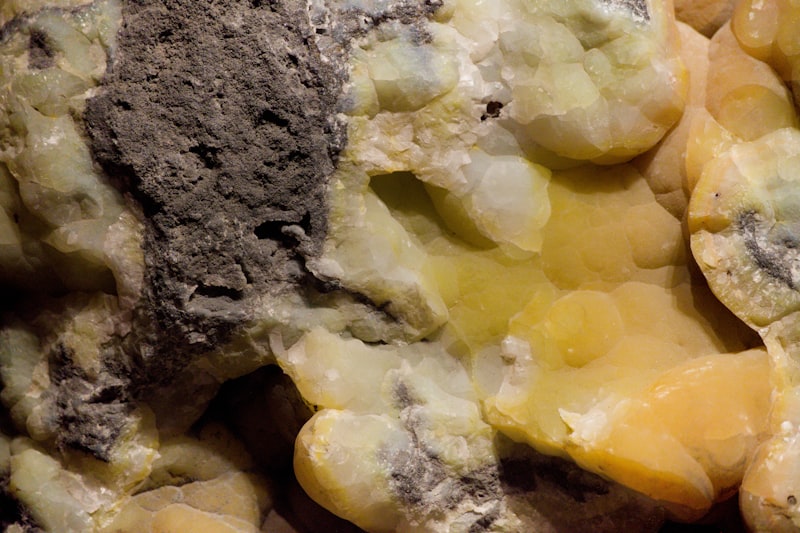
Sulfur Ore (Native)
Origin: Koh-i-Sultan volcanic complex, Chagai District, Balochistan
Native sulfur ore 50%+ | Roasting feed, sulfuric acid plants, agricultural sulfur
Available grades & specifications+
Run-of-Mine Ore 50%+
S 50–60%, lump 0–300 mm, As-screened on request
Acid plant roasting feed, ag sulfur
Beneficiated Ore 70%+
S ≥ 70%, crushed 0–50 mm, As < 100 ppm
Premium acid plant feed
Grade comparison +
| Property | Run-of-Mine Ore 50%+ | Beneficiated Ore 70%+ |
|---|---|---|
| S Content | 50–60% | ≥ 70% |
| Form | Lump 0–300 mm | Crushed 0–50 mm |
| Primary Use | Acid plant roasting | Premium acid feed, ag sulfur |
| Packaging | 25 MT bulk | 1 t jumbo bags |
Origin & supply chain +
Sourced from Koh-i-Sultan, Balochistan
Koh-i-Sultan is a 2,300 m volcanic complex in Pakistan's Chagai District (Balochistan), part of the same Cenozoic volcanic belt that hosts the Reko Diq porphyry copper-gold deposit. Sulfur was historically mined here for the Indian sub-continental chemical industry; Bare Syndicate works with licensed operators to supply run-of-mine and beneficiated grades to regional acid plants and agricultural sulfur markets. Independent assays for elemental sulfur content and gangue (siliceous + arsenic content) accompany every cargo.
FAQ +
What's the source of Pakistan's sulfur ore?
The Koh-i-Sultan volcanic complex in Balochistan's Chagai District is the primary native sulfur deposit in Pakistan — a Quaternary volcanic centre where fumarolic sulfur deposition has produced economically extractable ore. The complex is in the same geological belt as the Reko Diq copper deposits. Additional sedimentary sulfur occurs across Balochistan.
What happens between run-of-mine and beneficiated grades?
Run-of-mine ore (50–60% S) is mechanically crushed and screened with limited washing. Beneficiated ore (70%+ S) goes through flotation or gravity concentration to remove siliceous gangue — yielding feedstock closer to merchant-grade granular sulfur once melted and crystallized.
How does sulfur ore feed sulfuric acid manufacture?
Sulfur ore is roasted in fluid-bed roasters (or melted then burned) to convert elemental S → SO₂. The SO₂ is then catalytically oxidized over V₂O₅ catalyst to SO₃, absorbed in water to produce sulfuric acid (H₂SO₄). About 85% of global sulfur demand follows this route, predominantly for fertilizer manufacture.
What's typical export packaging?
Run-of-mine ore ships in 25 MT bulk containers FOB Karachi. Beneficiated ore ships in 1 t jumbo bags inside 20 ft containers. Lead time 3–4 weeks. Independent assays for elemental S, gangue, and moisture accompany every shipment.