International metal-ore trade is a discipline-aggregation business — logistics expertise plus trade finance plus quality assurance plus relationship-management plus compliance. The traders that build durable franchises don't lead with one strength; they integrate five operational disciplines into reliable execution. Mid-tier firms that drop any single one experience the cliff effect: a customer-relationship loss, a delivery failure, a payment dispute, or a regulatory breach can destroy what took years to build. These five disciplines are the offensive playbook — how to build a trading edge. Its defensive counterpart, the risk frameworks that protect that edge, is covered in seven risk-management strategies for metal-ore trading.
1. Origin Relationships — Field Time at Mine Operators
Reliable supply depends on direct relationships with mine operators. This requires sustained investment in site visits, technical-team engagement, fair commercial terms, and consistency through commodity-cycle ups and downs. Trader-side organisations that show up only when they need cargoes get last call on available material. Trader-side organisations that visit producers in low-price years, support technical and operational dialogue, and pay on contractual terms get first call on cargoes when supply tightens. This is the multi-year-investment discipline.
2. Logistics Mastery — Multi-Mode, Multi-Route, Pre-Built Optionality
Bulk-commodity logistics involves trucking, rail, port handling, vessel chartering, and discharge-port handling. Each link introduces delay, cost, and risk. Successful traders develop deep expertise across modes — maintain multiple freight forwarder relationships, understand port capacity and congestion patterns (Karachi, Singapore, Rotterdam, US Gulf, Shanghai), build contingency routes (Suez vs Cape, Panama vs Cape Horn). Logistics teams hold relationships with vessel-charter brokers (Howe Robinson, Clarksons, Simpson Spence Young) and bulk-handling stevedores at major ports.
3. Trade Finance — ICC UCP 600 LCs as Default, Plus Bank Relationships
Metal-ore transactions are capital-intensive: a 10,000 t copper concentrate cargo carries $20–35 million gross value; a 50,000 t bulk chrome ore cargo carries $5–10 million. Letters of credit under ICC UCP 600 (the operating standard for documentary credits), documentary collections under ICC URC 522, standby letters of credit for performance, and structured trade-finance facilities from specialised banks (BNP Paribas, ING, Société Générale, Sumitomo Mitsui Banking, several others) provide payment security and working capital. Strong banking relationships and clean trading track records are essential for credit-facility access.
4. Market Intelligence — Real-Time Pricing, Supply, Demand, Regulatory
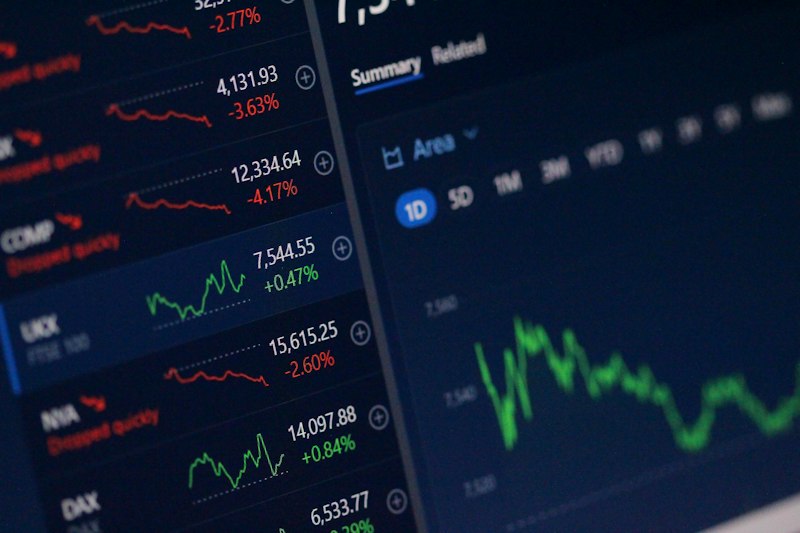
Competitive edge depends on real-time information. Subscriptions to Fastmarkets, Argus, Platts, and specialised publications (Roskill, Project Blue for specific commodities); attendance at industry conferences (LME Week, Asia Copper Week / CESCO Week, IM Forum events); networks across the value chain (smelter contacts, refinery operators, freight forwarders, regulators); employed analysts to interpret market data and identify opportunities. Information asymmetry is the trader's competitive moat.
5. Compliance — OECD Due Diligence + Sanctions + Conflict Minerals
International metal-ore trade is subject to sanctions (OFAC, EU, UK, country-specific), anti-corruption laws (US FCPA, UK Bribery Act, EU equivalents), conflict-mineral regulations (EU 2017/821 for 3TG, US Dodd-Frank Section 1502), environmental standards (REACH, country-specific), and emerging supply-chain due-diligence requirements (CSDDD, OECD Due Diligence Guidance). A single compliance failure can result in criminal prosecution, trading-licence revocation, and reputational destruction. Proactive compliance requires dedicated teams, automated screening, and regular training.
How the Five Disciplines Interact
Origin relationships generate supply optionality; logistics mastery monetises that supply across geography; trade finance enables capital efficiency; market intelligence identifies arbitrage; compliance keeps the trading entity in business. The integration is where competitive moat lives. A trader strong in four of five but weak in one (typically compliance, occasionally logistics) is one event away from a crisis. Top-tier global trading firms — Glencore, Trafigura, Mercuria, Vitol, Gunvor in their respective metal/oil focuses — are characterised by all-five-discipline integration.
Where International-Trade Strategies Misfire
- Skimping on origin field time. "I have an exclusive relationship via WhatsApp with the mine owner" is not a sustainable trading thesis.
- Using single-route logistics for major cargo flows. Pre-built alternatives are the discipline.
- Accepting documentary collection for first-time cross-border counterparties. LC is the standard until counterparty track record justifies otherwise.
- Relying on free trade-press coverage for pricing intelligence. Paid subscriptions to indices and specialised publications carry the cost vs information-advantage trade-off favourably for active trading.
- Treating compliance as overhead. Compliance failures cost more than compliance investment, by orders of magnitude.
- Extrapolating one-cargo execution to franchise success. Trading franchises are built over many cargoes and multiple cycles; one good trade doesn't make a trader.
What This Means for Bare Syndicate Counterparties
Bare Syndicate's trading operations integrate these five disciplines: established origin relationships at Pakistani Waziristan and Afghan Kandahar operations, multi-mode logistics with Karachi-port shipping economics, LC-backed trade finance, market-intelligence sourcing, and OECD-aligned compliance documentation. Customer engagement follows the structured-trading-firm pattern.
Next step: Discuss international mineral trade with Bare Syndicate — full operational-discipline integration across chrome, copper, fluorspar, lead-zinc, and energy commodities.
Additional Market Context
The standard reference sources for commodity-trade procurement: USGS Mineral Commodity Summaries (annual, mineral-by-mineral chapters), ICSG / ILZSG / ICDA monthly bulletins (commodity-specific), Fastmarkets / Argus / Platts indexed pricing (subscription, with selected free coverage), LME / COMEX / SHFE / GFEX / ICE exchange data (daily settlements), IEA Critical Minerals Outlook (annual scenario analysis), and Wood Mackenzie / CRU / Roskill specialised services (subscription). The OECD Due Diligence Guidance covers supply-chain due diligence across minerals.
For Pakistani and Asian counterparties specifically, Pakistan State Oil, OGRA, OCAC, Hindustan Zinc, Vedanta, and ENRC (Kazakh chromite) provide regional supply-side data. Bilateral US Critical Mineral Arrangements (Japan, UK, EU in negotiation) shape the regulatory framework for cross-border mineral trade.
Last reviewed: 2026-05-16. Operational practices and regulatory frameworks evolve; verify specific applicability against current standards.