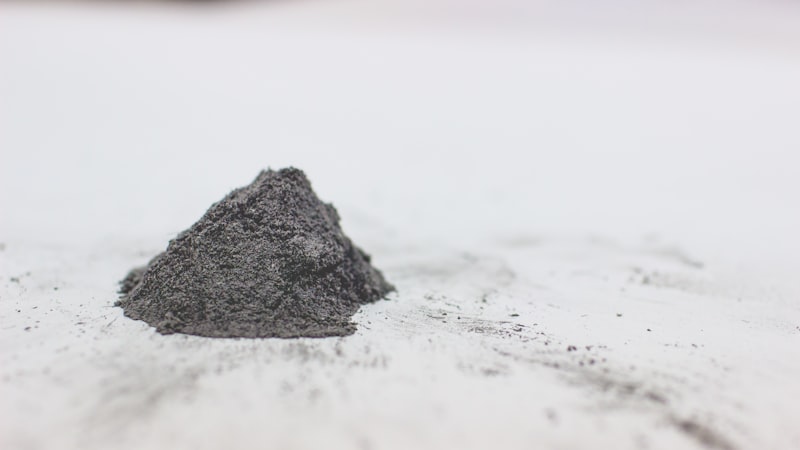
Bentonite
Origin: Khushab District (Punjab), Karoonjhar (Sindh), Kohat & Nowshera (KP)
Sodium & calcium bentonite | API 13A drilling, foundry green-sand, pelletizing, bleaching
Available grades & specifications+
API 13A Drilling Grade (Na-Bentonite)
API 13A Sec 9, swelling 24+ mL/2g, fluid loss <15 mL, yield ≥ 16 m³/MT
Oil & gas drilling mud
Foundry Grade (Ca-Bentonite)
Methylene blue 35–40 g/100g, green strength 8–12 psi (AFS)
Foundry green-sand moulding
Pelletizing Grade
Montmorillonite 70%+, ≤200 mesh, green pellet strength ≥ 1.5 kg
Iron-ore pellet binder, taconite
Activated Bleaching Earth
Acid-activated Ca-bentonite, surface area 200–300 m²/g
Vegetable oil refining, lubricant treatment
Soda-Activated Drilling Grade
Na₂CO₃-treated Ca-bentonite, post-activation API 13A spec
Drilling mud (where natural Na-bentonite unavailable)
Grade comparison +
| Property | API 13A Drilling Grade (Na-Bentonite) | Foundry Grade (Ca-Bentonite) | Pelletizing Grade | Activated Bleaching Earth | Soda-Activated Drilling Grade |
|---|---|---|---|---|---|
| Mineralogy | Na-montmorillonite (Khushab) | Ca-montmorillonite (Kohat) | Mixed Na/Ca | Acid-activated Ca-bentonite | Na₂CO₃-treated Ca-bentonite |
| Key Spec | API 13A Sec 9, swell 24+ mL/2g, yield ≥ 16 m³/MT | MB 35–40 g/100g, green strength 8–12 psi | Montmorillonite ≥ 70%, ≤200 mesh | Surface area 200–300 m²/g | Post-activation API 13A spec |
| Primary Use | Oil & gas drilling mud | Foundry green-sand | Iron-ore pellet binder | Vegetable oil refining | Drilling mud (Ca-origin) |
| Packaging | 1 t jumbo bags / 25 kg bags | 1 t jumbo bags | Bulk 25 MT containers | 25 kg bags, palletized | 1 t jumbo bags / 25 kg bags |
Origin & supply chain +
Multi-Deposit Sourcing Across Punjab, KP & Sindh
Bare Syndicate's bentonite is sourced from multiple Pakistani deposit types: Khushab District (Punjab) — sodium bentonite with high natural swelling, suitable for API 13A drilling without activation; Karoonjhar (Tharparkar, Sindh) — bentonite-bearing horizons; Kohat and Nowshera (Khyber Pakhtunkhwa) — predominantly calcium bentonite for foundry green-sand and bleaching applications. Each lot is tested in-house and at independent laboratories for swelling index, fluid loss (API 13A), methylene blue absorption (montmorillonite content), and trace contaminants before container loading. Soda-activated grades use commercial soda ash (Na₂CO₃) treatment to upgrade Ca-bentonite to drilling-spec swelling where Na-bentonite is unavailable.
FAQ +
What's the difference between sodium and calcium bentonite?
Sodium bentonite (Na-bentonite) has high swelling capacity (24+ mL per 2 g of clay) — making it the choice for drilling mud, geosynthetic clay liners, and sealing applications. Calcium bentonite (Ca-bentonite) has lower natural swelling (~5 mL/2g) but better thixotropic and bonding properties — preferred for foundry green-sand moulding, cat litter, and bleaching earth applications. Khushab District (Punjab) yields sodium bentonite; Kohat and Nowshera (KP) yield calcium bentonite; Karoonjhar (Sindh) hosts mixed horizons.
What is the API 13A drilling-grade specification?
API 13A Section 9 governs drilling-grade bentonite: swelling 24+ mL per 2 g, fluid loss <15 mL (in 30-minute test at 100 psi), yield ≥ 16 m³ of acceptable mud per MT of bentonite, 200-mesh particle size, and limits on lead, arsenic, and other contaminants. Bare Syndicate's Khushab Na-bentonite meets API 13A natively on routine lots; for Ca-bentonite-only origins, soda activation (Na₂CO₃ treatment) upgrades the swelling spec to meet API 13A.
What's the iron-ore pelletizing grade?
Pelletizing-grade bentonite is the binder added at 0.5–1.0% by mass to iron ore concentrate before green-ball formation. Specification: montmorillonite ≥ 70%, ≤200 mesh particle size, and binding strength sufficient to produce green balls with crush strength ≥ 1.5 kg before firing. Common in taconite (US Iron Range) and Pakistani DRI pellet feed processing.
What's activated bleaching earth used for?
Activated bleaching earth is Ca-bentonite treated with mineral acid (typically H₂SO₄) to increase surface area to 200–300 m²/g and amplify adsorption capacity. Major end-use is vegetable oil refining (decolorization of palm, soybean, and sunflower oils to remove chlorophyll, carotenoids, and free fatty acids). Also used in lubricant oil reclaiming, pharmaceutical adsorbents, and wine clarification.