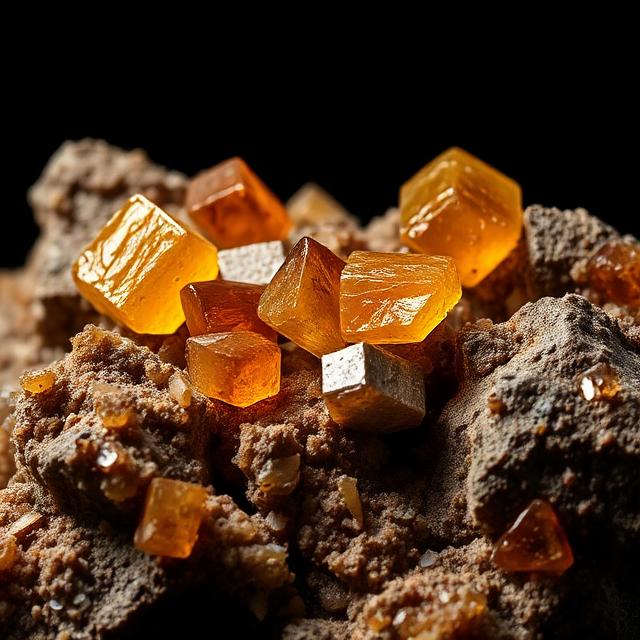
Zinc Ore
Origin: Balochistan, Pakistan
Sulphite 15–20% | Oxide 15–30% | Galvanizing & Alloys
Available grades & specifications+
Sulphite (15–20% Zn)
Zn: 15–20%, sphalerite, Fe < 8%
Smelter feed, Galvanizing concentrate
Oxide (15–30% Zn)
Zn: 15–30%, smithsonite/hemimorphite
Hydrometallurgical extraction, Brass production
Grade comparison +
| Property | High Grade Sphalerite | Standard Grade |
|---|---|---|
| Zn Content | 45–55% | 30–42% |
| Fe Content | < 5% | 5–10% |
| Pb Content | < 2% | 2–5% |
| Moisture | < 5% | < 8% |
| Primary Use | Smelting, Die-casting | Galvanizing, Brass |
| Processing | Direct smelter feed | Beneficiation needed |
| Price Tier | Premium | Standard |
Origin & supply chain +
Certified Quality Sources
Bare Syndicate supplies zinc ore from certified mining operations across South Asia's prolific zinc-lead belts, with rigorous quality assurance protocols from mine to port. Our zinc supply chain leverages established partnerships with producers in Pakistan's Lasbela and Khuzdar districts of Balochistan, where sphalerite-galena mineralization occurs in extensive carbonate-hosted deposits. Each consignment undergoes multi-stage quality control including on-site sampling, independent laboratory analysis (AAS and ICP-OES methods), and pre-shipment inspection for zinc content, moisture, particle size distribution, and impurity levels. Our processing capabilities include crushing, screening, and gravity separation to upgrade run-of-mine material to concentrates meeting smelter feed specifications. Logistics are handled through established corridors to Karachi port with both container and break-bulk options available.
FAQ +
What is zinc ore used for?
Zinc ore (sphalerite) is primarily used in galvanizing steel to prevent corrosion — the single largest application. It's also used in die-casting alloys, brass production (copper-zinc alloy), zinc oxide manufacturing, and as a component in rubber vulcanization.
What zinc grades does Bare Syndicate supply?
We offer high-grade sphalerite (45–55% Zn) for zinc smelting and die-casting, and standard grade (30–42% Zn) for galvanizing and brass production.
How is zinc ore processed?
Zinc ore is typically processed through crushing, grinding, and froth flotation to produce zinc concentrates. These concentrates are then roasted and electrolytically refined to produce high-purity zinc metal for industrial use.
What is the importance of zinc in galvanizing?
Zinc galvanizing provides cathodic (sacrificial) protection to steel — even if the zinc coating is scratched, the exposed steel is still protected because zinc corrodes preferentially. Hot-dip galvanizing can extend steel life by 50–100 years depending on environment, making zinc indispensable for construction, infrastructure, and automotive applications.
What impurities affect zinc ore quality?
Key impurities include iron (Fe), lead (Pb), cadmium (Cd), arsenic (As), and manganese (Mn). High iron content reduces smelting efficiency, while cadmium and arsenic are environmentally regulated. Bare Syndicate provides comprehensive assay reports covering all relevant impurity levels to ensure buyer specifications are met.