Two metspar offers land on a steel buyer's desk: one at 82% CaF₂, one at 78%. Most procurement teams rank them in that order and overpay for the first. The number that prices metallurgical fluorspar is not the raw assay but effective CaF₂ — CaF₂ minus 2.5 times SiO₂ — because silica consumes flux value in the slag, and an 82% lot with 4.5% silica is a worse flux than a 78% lot with 1.5%. Every metspar lot we ship carries CaF₂, SiO₂, and the computed effective grade on the SGS assay for exactly that reason. This guide decodes the spec behind our metallurgical fluorspar lane, with the wider market read in our fluorspar market analysis.
What is metallurgical-grade fluorspar (metspar)?
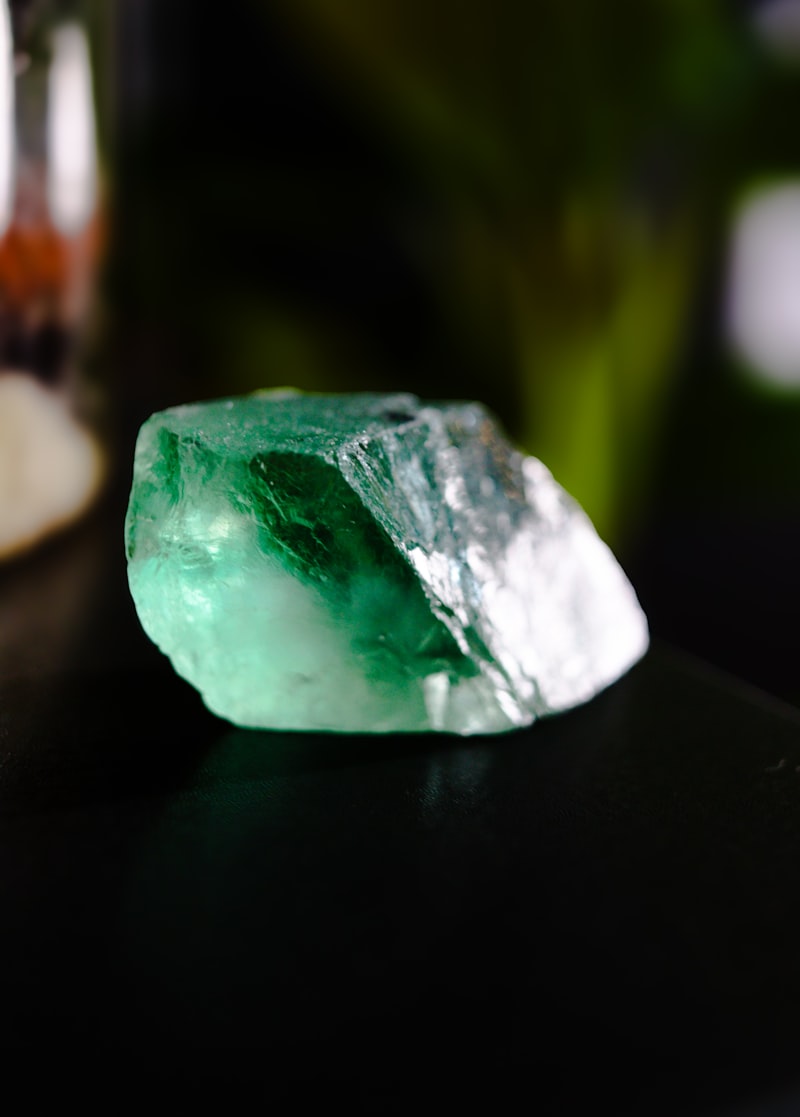
Fluorspar with 97% or lower CaF₂, named for its primary use as a steelmaking flux (USGS Mineral Commodity Summaries 2026). Commercial metspar runs CaF₂ 70–85% with SiO₂ below 5%, ships under HS 2529.21, and is valued on effective CaF₂ — CaF₂ − 2.5 × SiO₂ — in traded tiers of 75%, 80%, and 85% effective.
| Grade | CaF₂ | Commercial basis | Use |
|---|---|---|---|
| Metallurgical (metspar) | 70–85% | Effective CaF₂ = CaF₂ − 2.5 × SiO₂ | Steel flux, ferrochrome, iron smelting |
| Ceramic | 85–95% | CaF₂ with Fe₂O₃ control | Glass, enamel, frits |
| Acid (acidspar) | ≥ 97% | CaF₂ with As, P, SiO₂ limits | HF acid, fluorochemicals |
| Cement | 35–60% | Delivered CaF₂ | Clinker mineraliser |
Do the Effective-CaF₂ Arithmetic Before Comparing Offers
Run the two offers from the opening. Lot A: 82% CaF₂ with 4.5% SiO₂ gives 82 − (2.5 × 4.5) = 70.75% effective. Lot B: 78% CaF₂ with 1.5% SiO₂ gives 78 − (2.5 × 1.5) = 74.25% effective. The "lower-grade" lot delivers 3.5 points more usable flux per tonne — and lands nearer the 75% effective tier the trade quotes, while Lot A falls below it. The 2.5 multiplier is the whole point of the convention: it converts a silica percentage into the flux it cancels, so two lots can be compared on the one number the furnace actually experiences. Any metspar offer quoting CaF₂ without SiO₂ is quoting half a specification.
What does fluorspar actually do in the steel furnace?
It makes the slag work. Calcium fluoride lowers the liquidus temperature of basic slags and promotes fluidity, which helps the lime dissolve into the slag so that desulphurisation and dephosphorisation proceed while slag basicity is maintained (USGS Minerals Yearbook, fluorspar chapter). Silica does the opposite — it thickens and acidifies the slag — which is why the effective-grade formula penalises it at 2.5 times its weight. The same flux chemistry serves ferrochrome furnaces and iron smelting, and a higher-purity cousin coats welding rods, a lane covered in our welding-grade fluorspar guide.
Can metspar be used to make hydrofluoric acid?
No, and the reason is the same silica. HF production needs acid-grade fluorspar at 97%+ CaF₂ with ultra-low impurity limits; metspar's SiO₂ content poisons HF production, so the two grades serve entirely different buyers and never substitute. That separation is also why metspar typically trades at a 40–60% discount to acidspar on a CaF₂ basis — the acid lane pays for purity the steel lane cannot use. The acid chain from acidspar to lithium-battery electrolyte is walked through in our acidspar-to-LiPF₆ guide; a metspar cargo has no place in it.
Supply Context Behind the 2026 Spec Sheet
Global fluorspar mine production was estimated at about 10 million tonnes in 2025, down roughly 1%, with Chinese supply constrained by mining rectification measures and safety-inspection suspensions, and the United States 100% net import reliant — its imports sourced 64% from Mexico, 12% from Vietnam, 10% from China, and 9% from South Africa (USGS Mineral Commodity Summaries 2026). Against that backdrop, Bare Syndicate's metspar comes from its 62 km² Kandahar lease and Pakistani partner operations, crushed and sized at origin and consolidated at Karachi, where every lot is assayed for CaF₂, SiO₂, and the computed effective grade before loading under HS 2529.21.
Where Metspar Buying Goes Wrong
- Ranking offers on raw CaF₂. The opening example — 82% loses to 78% once silica is counted — is the standard overpayment in this lane.
- Leaving SiO₂ off the LOI. Without a silica cap, the effective grade is undefined and the contract has no enforceable flux value.
- Treating metspar as cheap acidspar. It cannot feed an HF plant at any price; the 40–60% CaF₂-basis discount is a different product, not a bargain.
- Quoting "the fluorspar price." Without the grade, the number is meaningless — the metspar/acidspar gap is the largest single price determinant in the mineral.
- Mixing HS codes. Metspar, ceramic, and cement grades all ship under 2529.21; acidspar above 97% is 2529.22. The wrong code snarls duty treatment at destination.
- Buying cement grade as flux. At 35–60% CaF₂ it is a clinker mineraliser, not a steelmaking flux — the effective grade will not clear the 75% tier.
Next step: Review the metspar specification alongside the wider fluorspar grade range, or request a delivered-cost indication with CaF₂, SiO₂, and the effective grade quoted on the face of the offer. The Minerals & Mining division lists the full portfolio.
Additional Market Context
The working references: USGS Mineral Commodity Summaries 2026 (fluorspar chapter) for grade definitions and the supply baseline; the USGS Minerals Yearbook fluorspar chapter for the flux mechanism; the Fastmarkets industrial-minerals metspar assessments — 85% effective CIF US Gulf and FOB China — for price direction; and the WCO Harmonized System for the 2529.21/2529.22 split. No price levels are quoted here — metspar pricing turns on the effective tier, form, and freight, so ask for an indication against your specification.
Last reviewed: 2026-08-30. Specification and effective-CaF₂ convention per the Bare Syndicate catalogue and source brief; supply figures per USGS Mineral Commodity Summaries 2026 as dated; this guide quotes no prices.