A procurement team signing a Pakistani lead-zinc concentrate LOI without first understanding the payable silver mechanism can lose 5–15% of cargo value on smelter settlement — and most do. Galena (PbS) and sphalerite (ZnS) almost always occur together in polymetallic sulphide deposits, and the silver they carry as a by-product is the line item that separates a profitable cargo from a marginal one. Pakistan's Lasbela–Khuzdar mineral belt is increasingly part of the non-Chinese concentrate map for these minerals, but Pakistani-origin trade carries its own assay, logistics, and contract-term variations distinct from Australian, Peruvian, or Bolivian benchmarks. This guide walks the spec sheet a procurement team should hand to its assay lab, credit officer, and counterparty before signing the next Pb/Zn cargo from Pakistan.
The 60-Second Read
Galena and sphalerite from Pakistani polymetallic deposits ship as concentrate cargoes within a tight set of spec bands — Bare Syndicate's High Grade Galena delivers Pb 60–70% for battery refiners, Standard Grade 40–55% for industrial applications, sphalerite sulphide Zn 15–20% with iron below 8% for smelter feed and galvanizing chains, and oxide ore 15–30% Zn for the smaller hydrometallurgical demand stream. Concentrate is priced as LME minus TC with payable silver as the swing variable. Per USGS Mineral Commodity Summaries 2026, global lead mine production is ~4.5 Mt Pb/yr and zinc 12–13 Mt Zn/yr (ILZSG monthly bulletin). The buyer-side question is never the headline grade — it is the assay-pack disclosure and the payable terms in the contract.
Galena (PbS): The Lead Concentrate Spec Sheet
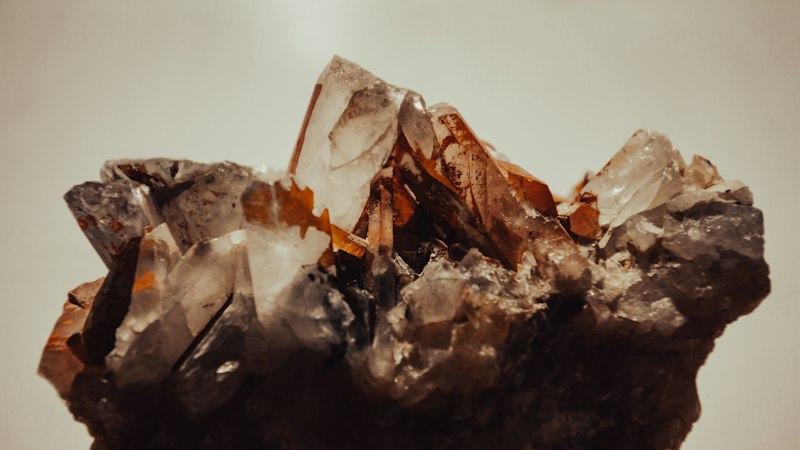
Pakistani galena concentrate trades at 50–70% Pb with payable silver assayed in grams per tonne. The five parameters that move price across an assay certificate:
- Pb content — the headline number, but only one of several payable-determining lines.
- Silver (Ag) g/t — typical smelter terms pay ~95% of contained Ag above a minimum threshold (often 30 g/t) at the LBMA silver reference; Pakistani sulphide cargoes routinely assay 100–400 g/t Ag depending on the deposit.
- Antimony (Sb), arsenic (As), and bismuth (Bi) — penalty elements; thresholds and per-unit penalty rates are smelter-specific and must be named in the contract before LOI execution.
- Moisture content — paid on dry weight; greater than ~8% moisture often triggers an FOB-port re-weight clause.
- HS code — 261710 for ore, 262099 for concentrate; the customs classification affects duty in importing jurisdictions.
The LME Lead contract is for refined Pb ≥ 99.97% (LME spec) — galena concentrate is not priced on the LME directly. Quoting a galena cargo at "X% of LME" without naming the TC, payable Pb percentage, and silver terms is the most common procurement error in Pakistani-origin lead trade.
Sphalerite (ZnS): The Zinc Concentrate Spec Sheet
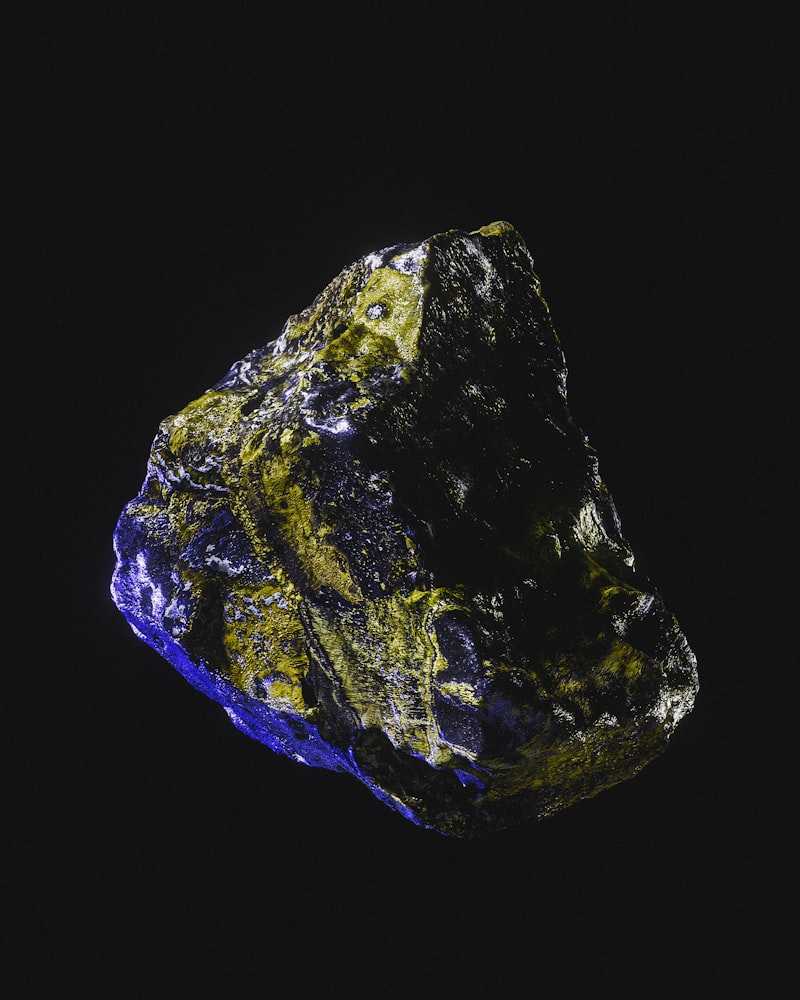
Bare Syndicate's Pakistani sphalerite ships as either sulphide concentrate (Zn 15–20%, Fe below 8%) for galvanizing-chain smelter feed, or oxide ore (Zn 15–30%, hemimorphite or smithsonite mineralogy) for hydrometallurgical extraction routes. The two are not interchangeable — sulphide flotation and oxide acid leach are different processes with different smelter relationships and pricing references. Typical sphalerite concentrate contract parameters:
- Zn content — typical concentrate trades at 50–60% Zn after downstream upgrading; Bare Syndicate's run-of-mine grades reflect pre-beneficiation feed.
- Zinc TC — settled annually between major smelters and miners, mirroring the copper TC/RC benchmark mechanism. Concentrate is priced LME Zinc SHG (99.995% min) minus TC.
- Payable Zn — typical 85% of contained Zn above a minimum deduction of 8% Zn units. An 18% Zn concentrate at 85%/8 deduction pays on 7.3% Zn units net of deduction.
- Iron content — penalty above 8% Fe in sulphide; oxide ores have separate iron handling at the leach plant.
- By-product credits — silver, cadmium, indium, germanium when present can carry payable terms. Indium and germanium are recovered as by-products at integrated smelters such as Korea Zinc and Nyrstar; credit eligibility is smelter-specific.
The Payable-Silver Argument: Where the Margin Lives
For Pakistani galena, payable silver is the single line that most often distinguishes a winning cargo from a marginal one. Lead concentrate from polymetallic sulphide bodies routinely carries 50–400 g/t Ag; at an LBMA silver reference price, contained-silver value can exceed 10% of cargo value. Smelter terms typically pay ~95% of contained Ag above a minimum threshold — but the threshold itself is negotiable. A 30 g/t threshold versus a 50 g/t threshold on a 250 g/t cargo is a 7–8% revenue swing.
The procurement discipline: every Pb concentrate contract must specify (a) the silver minimum-payable threshold, (b) the percentage paid above that threshold, (c) the reference market (LBMA Silver Price, COMEX nearby month, or other), and (d) the pricing window (cargo loading date, monthly average, three-day average). "Standard smelter terms" without these four numbers in the contract is a phrase that costs money.
Pakistani Origin: The Lasbela–Khuzdar Belt and Surmai District
Pakistan's Balochistan province hosts the most-developed zinc-lead deposit at Duddar, in the Lasbela district along the broader Lasbela–Khuzdar belt — developed as a Pakistan-China joint venture with Chinese ENFI as technical lead. The deposit is medium-sized by global standards with sulphide mineralisation suitable for differential flotation across the Pb/Zn split. Additional polymetallic occurrences extend through Las Bela, Khuzdar, and Surmai districts. Bare Syndicate does not publish reserve figures for any Pakistani deposit without a Geological Survey of Pakistan (GSP) or Pakistan Mineral Development Corporation (PMDC) source. For the project-economics and regional-deposit map, see our analysis of lead-zinc in developing countries.
The structural market context — why Pakistani sphalerite and galena are increasingly relevant in non-Chinese supply — is covered in Lead and Zinc 2026: Galvanising Demand vs Mine Depletion, where post-Century, Lisheen, and Skorpion closures have not been fully replaced by the development pipeline. The buyer-side procurement-spec lane is this post; the trader-side market thesis is that one.
Logistics: FOB Karachi or Port Qasim
Pakistani galena and sphalerite cargoes ship FOB Karachi or FOB Port Qasim under Incoterms 2020, with optional CIF terms to most Asian and European discharge ports. Concentrate ships in flexible-bulk (FIBC) containerized loads for smaller shipments or bulk-carrier loads for 10,000+ MT cargoes. Independent assay at origin and destination by SGS, Alfred H Knight (AHK), or Bureau Veritas (BV) is the contractual default; the protocol for assay-dispute resolution (umpire assay, splitting-the-difference, or arbitration) must be in the contract before LOI execution.
Customs documentation includes Certificate of Origin from the local Chamber of Commerce, mining-licence reference, and the assay certificate from the named inspection company. Used lead-acid battery (ULAB) flows for secondary lead are governed separately under the Basel Convention and require additional transboundary-movement permitting that is outside the scope of primary-concentrate trade.
What NOT to Do
- Don't quote galena or sphalerite "at X% of LME." Concentrate is priced LME minus TC minus payable adjustments. The headline LME number is the starting point, not the contract value.
- Don't conflate sulphide and oxide zinc. Sphalerite (ZnS) goes through flotation; smithsonite and hemimorphite (oxides) need a leach route. The smelter relationships and pricing references are different.
- Don't cite Duddar or any Pakistani deposit's reserves without a Geological Survey of Pakistan or PMDC source. Geology is not bankability.
- Don't omit the payable-silver terms on a galena contract — silver content routinely accounts for 5–15% of cargo value and the threshold/percentage is negotiable.
- Don't assume "ore" equals "concentrate." Ore is the in-situ asset at the mine; concentrate is the upgraded, traded product. Different HS codes, different specifications, different prices.
- Don't quote silver assays as "X g/t Ag" without specifying whether the figure is in-concentrate or in-ore. The difference is material.
- Don't understate secondary lead. ULAB-derived recycled lead is ~55–60% of global supply per ILZSG; a Pb procurement plan that ignores secondary flow is incomplete.
What to Verify Before Signing the LOI
A procurement-side checklist for the next Pakistani Pb/Zn concentrate cargo:
- Assay protocol — named inspection company (SGS / AHK / BV), origin and destination samples, dispute-resolution clause.
- Pricing reference — LME Lead or Zinc with named pricing window (cargo loading date, monthly average, three-day average); not "market price at delivery."
- Payable terms — explicit percentage and threshold for Pb, Zn, Ag, and any by-product credits; explicit penalty rates for As, Bi, Sb, Hg, Cd, Fe.
- Penalty thresholds — confirmed in writing per element (e.g., As payable threshold at 0.10%, penalty rate per unit above).
- Origin documentation — Certificate of Origin, mining-licence reference, GSP/PMDC source for any reserve or deposit-grade claim.
- Incoterms 2020 — FOB Karachi or CIF discharge port, with force-majeure carve-outs for licence delays.
- Basel Convention compliance — if any portion is secondary or ULAB-derived, transboundary-movement documentation per Basel Convention.
Next step: Review grade specifications and origin documentation for lead ore and zinc ore, or request a delivered-cost indication with the Pb/Zn split, payable silver terms, and Incoterms 2020 carve-outs spelled out before LOI execution. The broader Minerals & Mining division lists the full strategic-minerals portfolio.
Additional Market Context
The foundational data sources for Pb/Zn procurement are the USGS Mineral Commodity Summaries (annual lead and zinc chapters), the International Lead and Zinc Study Group (ILZSG) monthly bulletin for mine, refinery, and consumption balances, and the LME Lead and Zinc contracts for refined-metal benchmarks. Pricing data: Fastmarkets MB Lead and Zinc Concentrate TC indices (CIF China) provide weekly assessments; Platts/S&P Global publishes regional refined premiums. The Battery Council International tracks lead-acid battery demand. The Basel Convention governs transboundary movement of used lead-acid batteries.
For Pakistani-origin trade specifically, the Geological Survey of Pakistan and Pakistan Mineral Development Corporation publish deposit-level disclosures; EITI Pakistan provides additional transparency on extractive-sector reporting. Independent inspection by SGS, Alfred H Knight, or Bureau Veritas at both origin and destination is the contractual default for any Pb/Zn concentrate cargo of meaningful tonnage.
Last reviewed: 2026-06-04. Spec ranges and contract-term references are sourced to USGS MCS 2026 and ILZSG multi-year averages; verify current LME settlements, concentrate TCs, and silver references against the named indices before contract execution.