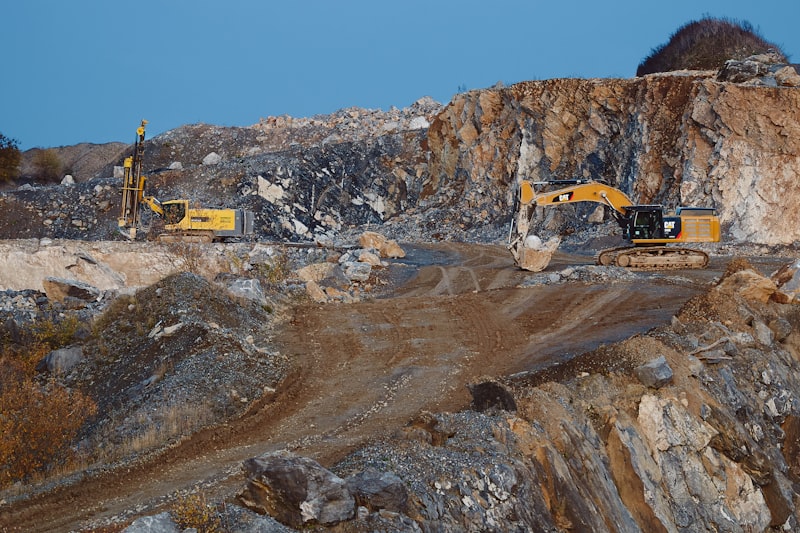
Refractory buyers keep getting quoted like smelters. An offer arrives priced with a Cr:Fe premium — a number that governs ferrochrome yield and does nothing whatsoever for a brick — while the line that actually decides brick performance, Al₂O₃, is missing from the assay summary. The two spec sheets look similar at a glance, which is precisely the trap: the refractory value function inverts the metallurgical one. In our Waziristan operations, refractory-window material (Cr₂O₃ 38–42%) is separated from metallurgical ore at the pit by selective mining and screening, because blending the two destroys the value of both. This guide decodes the refractory spec, building on the four-grade chemistry map in our chrome ore grades buyer guide.
What is the specification for refractory-grade chromite?
Refractory-grade chromite runs Cr₂O₃ 38–42% with Al₂O₃ above 14% — a positive, because alumina improves the finished brick's thermal-shock resistance — SiO₂ held below 4%, FeO controlled to a narrow band, and lumpy sizing. The Cr:Fe ratio that prices metallurgical ore is not a value driver in this lane.
| Parameter | Refractory | Metallurgical | Foundry |
|---|---|---|---|
| Cr₂O₃ | 38–42% | 42–48% | 46%+ |
| Al₂O₃ | > 14% (a positive) | 12–16% | 18–24% |
| SiO₂ | < 4% | < 6% | < 2% |
| Cr:Fe | Not a value driver | ≥ 2.5:1 (premium) | Not a value driver |
| Form | Lump, 10–300 mm | Lumpy / fines | Round grain, AFS 40–60 |
Why High Al₂O₃ Earns Money in This Lane
A smelter treats alumina as dilution — every alumina unit displaces a chrome unit it could convert to ferrochrome. A brick maker treats it as an ingredient: alumina in the chromite spinel improves thermal-shock behaviour in the fired brick, which is why the refractory window specifies Al₂O₃ above 14% rather than below a cap. Silica runs the other way — it fluxes at service temperatures, so the refractory limit (< 4%) is tighter than the metallurgical one. Reading a refractory assay in metallurgical priority order — Cr₂O₃ first, everything else as impurities — mis-ranks both cargoes and suppliers.
Where are chrome-magnesite bricks actually used?
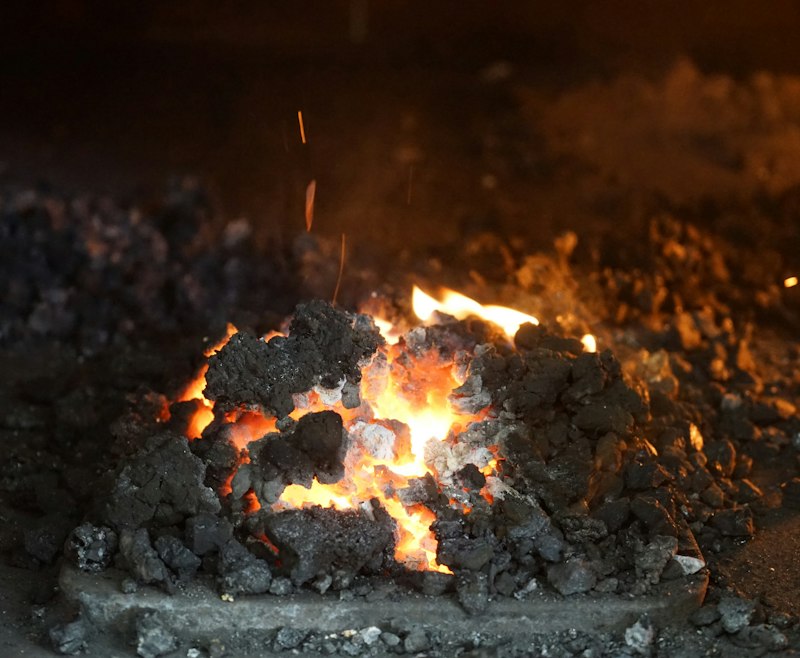
The 38–42% window exists for the magnesia-chromite (chrome-magnesite) bricks it feeds, and the brick's service map is well documented by the refractory makers themselves. In steel, the flagship duty is the RH degasser — rebonded magnesia-chromite grades in the snorkel and throat where abrasion and corrosion peak, direct-bonded grades in the safety and lower-vessel linings — alongside AOD converters and safety linings (source: RHI Magnesita bulletin). In non-ferrous pyrometallurgy, chrome-bearing refractories are the preferred lining across copper, nickel, lead, and PGM smelting and converting, for thermal-shock resistance and chemical inertness against liquid metal and slags (sources: RHI Magnesita; IspatGuru). Cement kilns and glass-tank blocks round out the duty list. Demand context for the wider mineral sits in our chromite demand growth analysis.
Don't Pay for Cr:Fe You Can't Use
There is no published index for refractory lump — the weekly chrome indices price the smelter lanes, as decoded in our chromite price-per-ton guide — so refractory cargoes are negotiated on the chemistry window itself. That cuts both ways. A seller quoting a Cr:Fe premium on refractory material is charging for ferrochrome yield the brick plant will never extract; a buyer demanding ≥ 2.5:1 on a brick feed is excluding perfectly serviceable cargoes for nothing. Negotiate on the four lines that matter — Cr₂O₃, Al₂O₃, SiO₂, FeO band — plus sizing, and let the smelter metrics stay in the smelter lane.
Fix the Sizing and the Assay Lines Before the Price
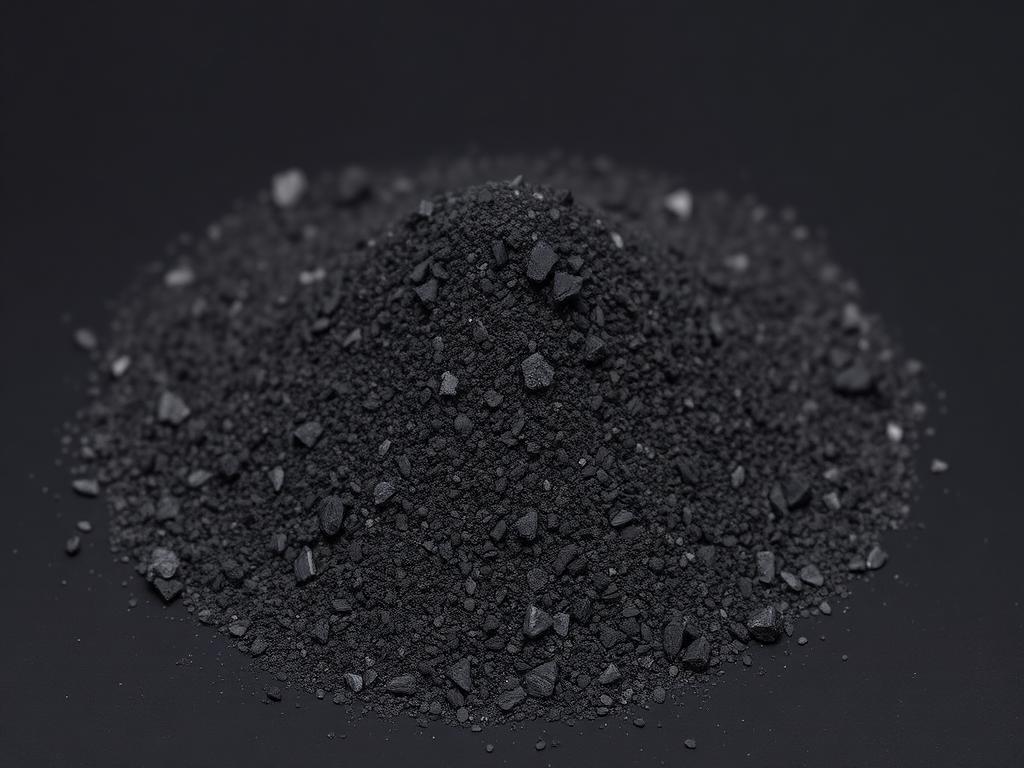
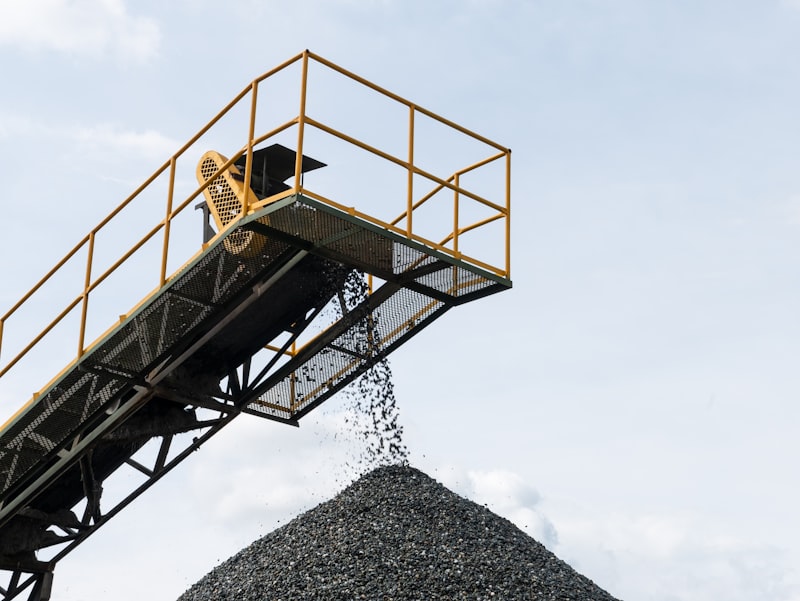
Refractory chromite ships as lump, typically 10–300 mm, sized to the buyer's crushing and briquetting circuit — and the sizing belongs on the contract face, not in a follow-up email. So does the full assay set: our refractory chromite lots carry SGS-verified assays quoting Cr₂O₃, Al₂O₃, SiO₂, and moisture on every lot, moving in containerised or bulk loads from Karachi. One adjacent-lane clarification worth writing into enquiries: refractory lump (this product, HS 2610.00) is not refractory castables — those are manufactured goods under HS 6815/6903, made downstream from the fine 48–52% flotation concentrate covered in our concentrates buyer guide.
Where Refractory-Chromite Buying Goes Wrong
- Paying a Cr:Fe premium. The ratio prices ferrochrome yield; a brick has no yield. It is the single most common overpayment in this lane.
- Substituting metallurgical ore. Its looser SiO₂ limit (< 6% vs < 4%) and lower alumina make a worse brick at a higher price.
- Conflating lump and castables. Different products, different HS codes, different suppliers — an enquiry that names the wrong one starts in the wrong lane.
- Believing chromite ore contains hexavalent chromium. As mined, chromite is trivalent Cr³⁺; Cr⁶⁺ is generated downstream in pyrometallurgical roasting and certain chemical processes. Rejecting ore cargoes on Cr⁶⁺ grounds misreads the chemistry.
- Accepting an assay without the Al₂O₃ line. If the one parameter that distinguishes this grade is missing, the seller is quoting metallurgical material by another name.
- Leaving sizing off the LOI. A 10–300 mm lump range is a negotiating envelope, not a spec — name the fraction your circuit takes.
Next step: Review the refractory chromite product page and the wider chrome ore grade range, or request a delivered-cost indication with Cr₂O₃ (38–42%), Al₂O₃, SiO₂, and sizing on the face of the offer. The Minerals & Mining division lists the full portfolio.
Additional Market Context
The working references: RHI Magnesita's technical bulletins for where magnesia-chromite linings actually serve (the producer literature is the ground truth on brick duties); IspatGuru for the refractory-systems overview; ICDA and USGS Mineral Commodity Summaries 2026 for the chromite supply baseline; and the Fastmarkets chrome indices for smelter-lane price direction that refractory negotiations reference from a distance. No prices are quoted here — refractory lump trades on negotiated chemistry, not an index print.
Last reviewed: 2026-08-13. Specification window per the Bare Syndicate catalogue and grades guide; brick-application map per RHI Magnesita and IspatGuru as cited. This guide quotes no prices and needs no freshness cycle.