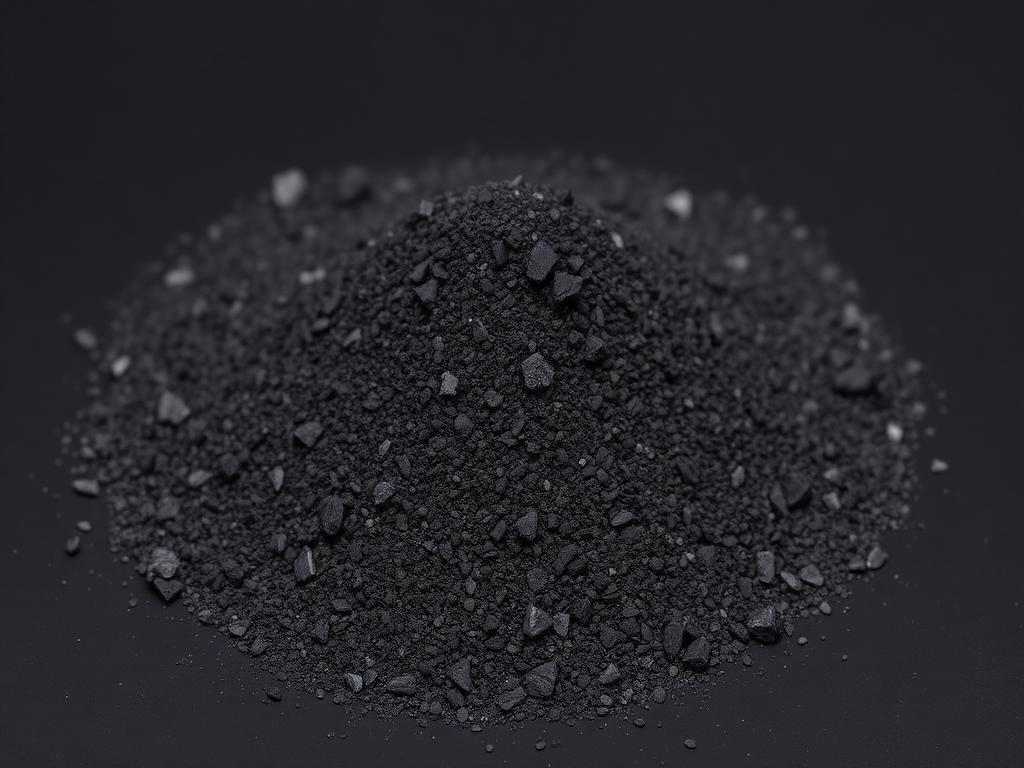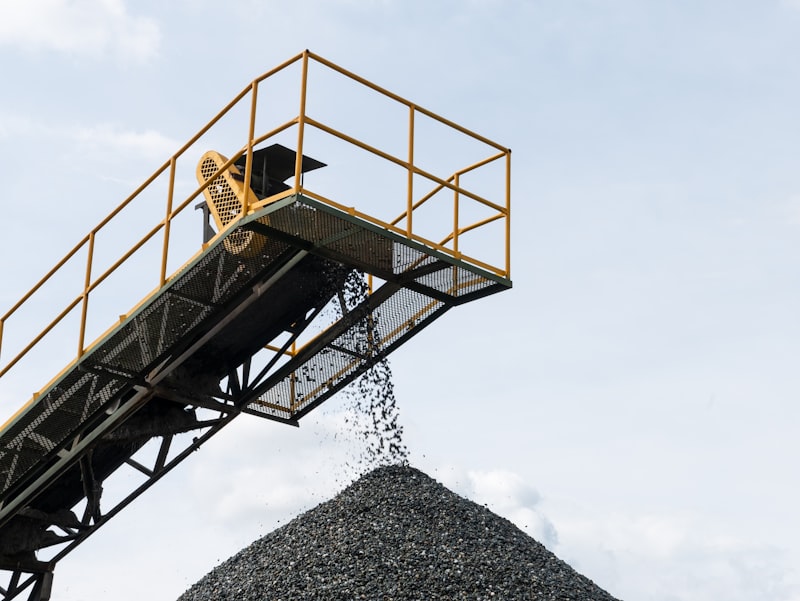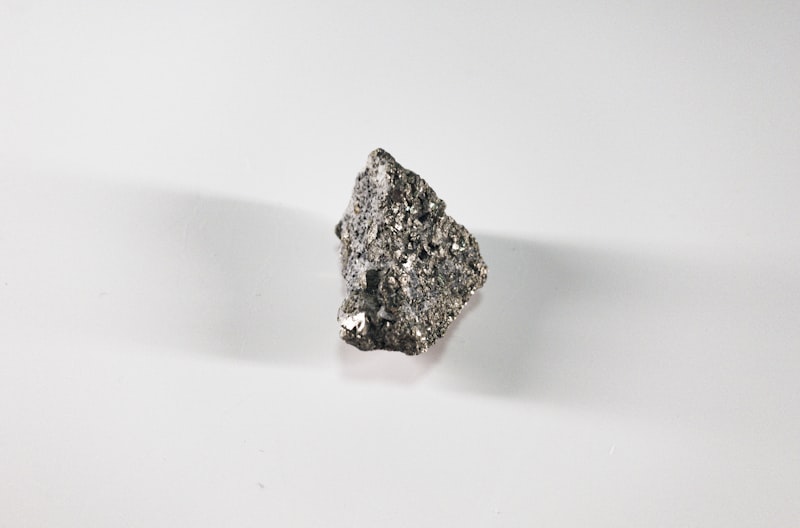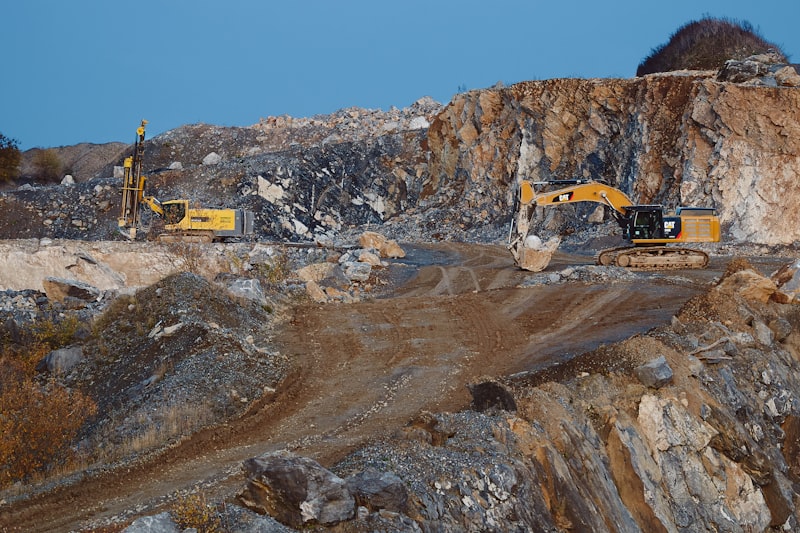
Search for a chromite exporter in Pakistan and the results are directory listings of traders who have never held a lease, quoting "Pakistani chromite" as if it were one product. It is not: the country's chromite sits in at least three ophiolite belts, and Cr₂O₃ runs from roughly 36% to 52% depending on district and mining method — a spread wide enough to move a cargo across three different buyer lanes. Bare Syndicate holds chromite leases in Waziristan and consolidates Balochistan material through Karachi, so this guide is written from the pit side: which district feeds which lane, how to vet a counterparty, and how an FOB Karachi price is actually built. The grade chemistry itself is decoded in our chrome ore grades buyer guide.
Where does Pakistan's chromite come from?
Three ophiolite belts. Muslim Bagh in Balochistan's Killa Saifullah District is the classic district — podiform and vein-like chromite in mantle harzburgite and dunite, mined in open pits about 15 km south of the town. Waziristan in Khyber Pakhtunkhwa hosts podiform bodies in ophiolite complexes, including Bare Syndicate's leases. The Lasbela–Khuzdar belt in Balochistan adds further ophiolite-hosted occurrences.
| District | Province | Geology | Typical lane |
|---|---|---|---|
| Muslim Bagh | Balochistan (Killa Saifullah) | Near-complete ophiolite in two massifs (Jang Tor Ghar, Saplai Tor Ghar); podiform/vein chromite in harzburgite–dunite; open pits ~15 km south of town | Metallurgical lump |
| Waziristan | Khyber Pakhtunkhwa | Podiform bodies in ophiolite complexes; Bare Syndicate leases with selective mining and on-site screening | Metallurgical, refractory, concentrate feed |
| Lasbela–Khuzdar | Balochistan | Ophiolite-hosted occurrences (Khuzdar is also Pakistan's barite district) | Supplementary lump |
The Muslim Bagh geology is the best documented: the ophiolite was obducted onto the Indian continental margin in the Late Cretaceous, and its mantle sequence carries the podiform chromite that grades up into transition-zone dunite (sources: "Chromite Deposits of Pakistan: A Short Review"; the Muslim Bagh supra-subduction studies cited below). Pakistan sits in the long tail of world producers behind South Africa, Kazakhstan, Turkey, and India (USGS Mineral Commodity Summaries 2026; ICDA) — a niche origin whose value is lumpy grade and Cr:Fe, not tonnage.
Which Grade Window Does Each Lane Buy?
The 36–52% spread is why "Pakistani chromite" must always be qualified by district and assay. Our catalogue maps it into four lanes: metallurgical lump at Cr₂O₃ 42–48% with Cr:Fe ≥ 2.5:1 for ferrochrome; refractory lump at 38–42% with Al₂O₃ above 14% and SiO₂ under 4% for chrome-magnesite bricks (its own spec is decoded in our refractory chromite guide); foundry-grade 46%+ round grain by AFS number; and beneficiated concentrates at 44–52% for the chemical, tanning, and castable lanes covered in our concentrates buyer guide. A cargo that is a bargain in one lane is mis-specified in the next.
How do you vet a Pakistani chromite exporter?
Five documents separate a producer from a directory listing. First, the mining lease reference — the provincial mines department record that ties the seller to a specific deposit; traders re-selling pit-head purchases cannot produce one for the cargo they are offering. Second, an SGS or equivalent assay at origin quoting Cr₂O₃, Cr:Fe, SiO₂, Al₂O₃, and moisture — the four-line chemistry, not a single Cr₂O₃ number. Third, sizing on the contract face, because 10–300 mm lump and 0–10 mm fines are different products at the same grade. Fourth, the HS 2610.00 export documentation chain through Karachi or Port Qasim. Fifth, for a first cargo with a new counterparty, escrow settlement against the origin assay — the payment structure that turns a supplier claim into a verifiable one. A seller who resists any of the five is a trader, whatever the website says.
From the Pit to Port Qasim
Origin discipline decides the assay. In our Waziristan operations, refractory-window material (38–42%) is separated from metallurgical ore at the pit by selective mining and screening, because blending the two destroys the value of both lanes — a practice that has to happen before the road haul, not at the port. Material moves to Karachi or Port Qasim for consolidation, where lots are assayed at loading and shipped in bulk or containerised loads under SGS certificates covering Cr₂O₃, Cr:Fe, SiO₂, Al₂O₃, and moisture. Balochistan material from the Muslim Bagh and Lasbela–Khuzdar belts joins the same chain, which is why a single Karachi counterparty can warrant more than one district on one documentation pack.
How is Pakistani chromite priced against South African and Turkish ore?
Off the same indices, at a premium for form. The weekly Fastmarkets chrome ore indices are specified CIF China — UG2 concentrate basis 42% Cr₂O₃ and lumpy basis 40% — and Pakistani lumpy, like Turkish and Albanian lumpy, trades against them at a premium for direct-charge form and Cr:Fe. An FOB Karachi price is the CIF netback: index reference, plus the grade and form adjustments, minus freight — so the netback moves with the freight market even on a flat index week. The full basis-and-unit arithmetic is in our chromite price-per-ton guide; no index levels are quoted here because they publish weekly and rot in days.
Where Chromite Sourcing From Pakistan Goes Wrong
- Treating "Pakistani chromite" as one grade. Three districts, a 36–52% spread, four lanes — the district and assay are the product, the flag is not.
- Buying from a listing with no lease chain. If the seller cannot produce a mining lease reference and an origin assay for the specific cargo, you are buying a trader's promise.
- Paying a Cr:Fe premium on refractory-lane material. The ratio prices ferrochrome yield; a brick plant never uses it.
- Quoting "the chromite price" without basis, form, and freight. A number without those three cannot be compared to any other number.
- Leaving sizing off the LOI. Lump and fines at the same grade go to different buyers at different prices.
- Confusing chromite with ferrochrome. HS 2610.00 versus HS 7202 — the smelting margin between them is a different industry.
Next step: Review the metallurgical, refractory, and foundry chrome ore grades or the concentrate tiers, or request an FOB Karachi or CIF indication with district, assay, sizing, and Cr:Fe named on the face of the offer. The Minerals & Mining division lists the full portfolio.
Additional Market Context
The working references: the Geological Survey of Pakistan for district geology; the published Muslim Bagh ophiolite literature (the "Chromite Deposits of Pakistan" review and the supra-subduction petrology studies) for deposit genesis; USGS Mineral Commodity Summaries 2026 and ICDA for the world production baseline that places Pakistan in the producer long tail; and the Fastmarkets chrome ore indices for the CIF China reference every FOB Karachi netback is built from. National output tonnages are deliberately not stated — Pakistan's official mineral statistics are inconsistently updated, and a figure without a GSP or PMDC year attached is not a fact.
Last reviewed: 2026-08-30. District geology per the cited literature; grade windows per the Bare Syndicate catalogue; this guide quotes no prices and needs no freshness cycle.