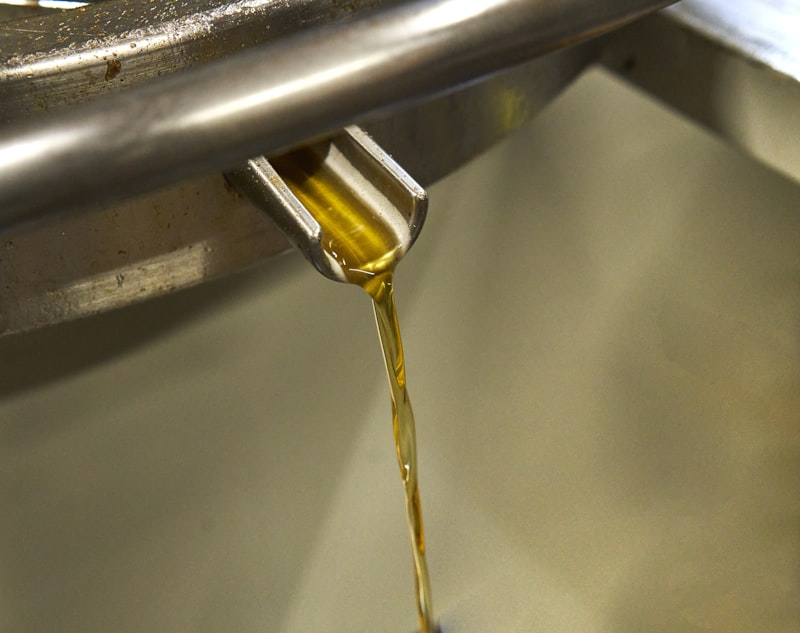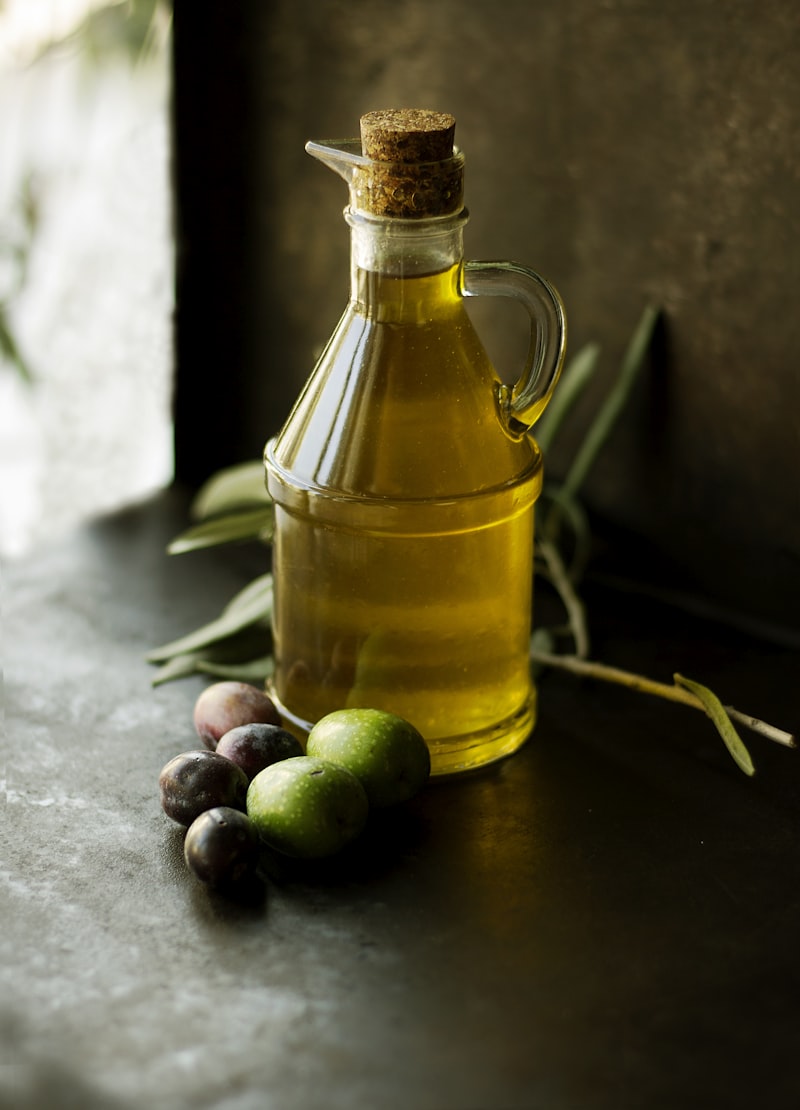
Vegetable oils are the world's most-consumed edible commodity, with annual global production exceeding 220 million tonnes per USDA FAS data. Palm oil and palm-kernel oil account for ~40% of global production; soybean oil ~30%; rapeseed / canola ~12%; sunflower ~9%; the balance from smaller oilseeds. For Pakistan, Nigerian, and East African buyers, efficient vegetable oil procurement directly impacts food-manufacturing cost and consumer-product pricing. This piece covers the benchmark references, country-by-country market realities, and EUDR considerations for palm oil specifically.
The Four Major Vegetable Oils
- Palm oil (RBD palm olein): The world's most-traded vegetable oil. Malaysia and Indonesia account for ~85% of global production. Applications: cooking, food manufacturing, cosmetics, biodiesel.
- Soybean oil: Second-largest by production. Argentina, Brazil, US are major exporters. Applications: food processing, mayonnaise, margarine, industrial.
- Sunflower oil: Ukraine and Russia are the largest producers. High-oleic varieties prized for frying stability and health benefits.
- Canola / rapeseed oil: Canada and Europe dominate production. Growing demand for food-service and biodiesel applications.
Pricing Benchmarks
- BMD FCPO (Bursa Malaysia Derivatives Crude Palm Oil Futures): The global palm oil benchmark, MYR-denominated. Daily liquidity.
- CBOT Soybean Oil Futures (CME Group): The soybean oil benchmark, ¢/lb USD.
- FOB Rotterdam refined sunflower oil: Sunflower oil reference, monitored by Argus / Reuters / Refinitiv.
- CIF Rotterdam soybean oil: European soybean oil reference.
Pakistan's Edible Oil Market
Pakistan is one of the world's largest edible-oil importers, consuming approximately 5 million tonnes annually while producing only 0.8–1 million tonnes domestically (cottonseed, sunflower, canola). Imports of palm oil and soybean oil account for 70–75% of consumption, valued at $3–4 billion annually. The ghee and cooking oil manufacturing sector (Habib Oil Mills, Wazir Ali Industries, Dalda Foods, Tullo Industries) is the primary buyer; soap, detergent, and oleochemical producers cover the balance. Pakistan Edible Oil Refiners Association (PEORA) and Pakistan Bureau of Statistics track aggregate import volumes.
African Markets
West Africa (Nigeria, Ghana, Côte d'Ivoire) has growing deficit between palm oil production and consumption — Nigeria alone imports 500,000+ tonnes annually despite being a major producer. East Africa (Tanzania, Kenya, Ethiopia) imports substantial palm oil and soybean oil for food manufacturing and hospitality. South African demand serves a more mature market with diverse oil mix.
Quality Specifications
RBD Palm Olein: iodine value (IV56 or IV58), free fatty acid content (≤ 0.1%), moisture (≤ 0.1%), colour (3R max on Lovibond scale), peroxide value. Soybean oil: phosphorus content, peroxide value, fatty acid composition. Edible-oil shipments require Certificate of Analysis, Halal certification (for Muslim markets), and phytosanitary documentation. Food-grade vs industrial-grade applications have different specifications and pricing.
EUDR for Palm Oil
EU Deforestation Regulation (Regulation 2023/1115, EUDR) covers palm oil supply chains entering the EU from 2025. Geolocation polygons for production plots (point for < 4 ha, polygon for > 4 ha), due-diligence statements via TRACES NT, 2020-12-31 cut-off for deforestation, and risk assessment are required. Indonesian and Malaysian palm oil supply chains have been investing in compliance infrastructure; Pakistani re-exporters into EU-bound chains need to verify supplier-side EUDR readiness.
Logistics
Vegetable oils ship in flexitanks (20 MT per 20-foot container), ISO tank containers, or bulk vessels with dedicated tank-cleaning certificates. Tank-cleanliness verification is essential — previous-cargo contamination has caused commercial disputes. Major ports: Port Klang (Malaysia), Belawan / Dumai (Indonesia), Santos (Brazilian soybean oil), Rotterdam (European hub).
Where Vegetable-Oil Sourcing Trips Up
- Quoting "vegetable oil price" without specifying the oil. Palm, soybean, sunflower, rapeseed all have different markets.
- Confusing palm oil (mesocarp) and palm kernel oil (kernel). Very different fatty-acid profiles; laurics dominate PKO.
- Asserting RSPO-certified percentages without citing RSPO disclosures. Verification specifics matter.
- Stating Pakistani import tonnages without citing PBS or PEORA. Official data sources required.
- Omitting iodine value when discussing palm vs palm olein. IV is the parameter that distinguishes them.
- Stating EUDR is "in force" without verifying current applicable date. Phased application has shifted.
- Stating biodiesel demand drives veg oil prices in isolation. Food demand still dominates volume; biodiesel is one of several drivers.
What This Means for Vegetable Oil Buyers
For procurement, specify the oil, grade, IV (palm), FFA, moisture, colour, and certification requirements (Halal, food-grade, etc.). Reference BMD FCPO (for palm) or CBOT (for soybean) for pricing formula. Bare Syndicate's vegetable oils portfolio covers RBD palm oil (IV 50–55) and crude sunflower oil at established Southeast Asian and Black Sea supplier networks.
Next step: Discuss vegetable oil sourcing with Bare Syndicate's Agro Commodities division — palm, soybean, and sunflower oils with full export documentation.
Additional Market Context
ICE Futures US Cocoa (CC, New York) and ICE Futures Europe Cocoa (C, London) are the primary cocoa benchmarks. The International Cocoa Organization (ICCO) Monthly Review of the Market tracks global supply-demand. For sugar, ICE No. 11 (raw) and ICE No. 5 (white) are the global benchmarks; USDA Foreign Agricultural Service and F.O. Licht / Czarnikow publish supply analysis. For vegetable oils, BMD FCPO (Bursa Malaysia palm oil) and CBOT Soybean Oil are the major benchmarks; USDA FAS Oilseeds provides quarterly outlook. MPOB and GAPKI cover Malaysian and Indonesian palm oil production respectively.
Regulatory context: EU Deforestation Regulation (Regulation 2023/1115) covers cocoa, palm oil, and several other commodities entering the EU market; phased application has shifted via Commission delegated acts. The Living Income Differential of $400/t applies to FOB Côte d'Ivoire and Ghana cocoa per Conseil Café-Cacao and Cocobod implementations.
Last reviewed: 2026-05-16. Pricing and EUDR references current at review; verify against current BMD, CBOT, USDA FAS, and EU regulatory sources at contract stage.