"Copper at $10,000/MT" is meaningless without two qualifiers: which copper product (concentrate or refined cathode) and which exchange (LME, COMEX, or SHFE). The two products are different cargoes with different specifications, different counterparties, different price-formation mechanisms, and different penalty structures. A procurement team that treats them interchangeably is the one that signs the surprise-payable clause on a high-arsenic concentrate. This piece is the decoder. For where concentrate and cathode sit in the full mine-to-market sequence, see the copper ore value chain from mine to market.
The Two Products Are Structurally Different
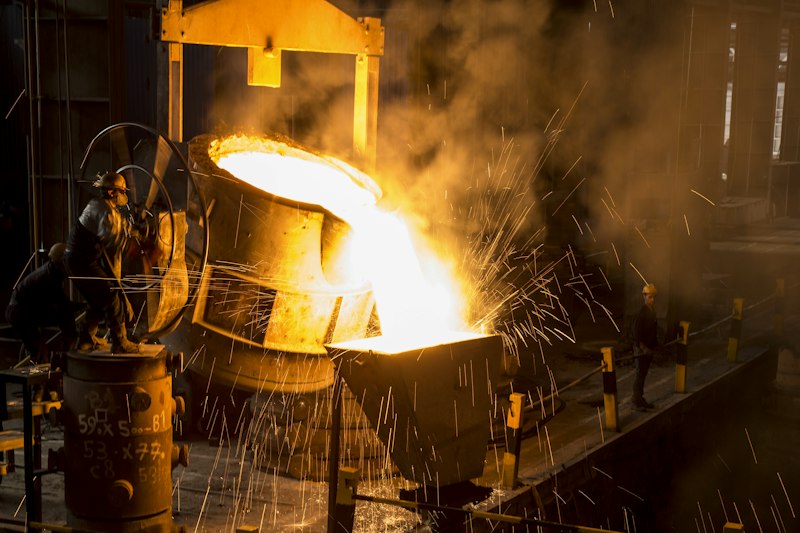
Copper concentrate is the output of mine processing — crushed and ground ore subjected to froth flotation, producing a 20–30% Cu solid that ships in 1 MT bulk bags or in dewatered bulk holds. Refined copper cathode is the output of smelting plus electrolytic refining: ≥ 99.99% Cu sheet (LME Grade A spec, Cu-CATH-1 per BS EN 1978:1998) that ships as flat plates suitable for direct mill feed. Concentrate feeds smelters; cathode feeds wire-rod mills, tube mills, and other semi-fabricators. Almost no procurement team buys both — the technical skills, counterparty relationships, and capital cycles are different.
How Concentrate Is Actually Priced
Concentrate value = (LME Cash Copper × payable Cu units) − Treatment Charges (TC) − Refining Charges (RC) + precious-metal credits (Au, Ag, sometimes Mo) − penalty deductions (As, Bi, Hg, Pb, F, sometimes Sb). Every term is negotiated:
- Payable Cu units: Typically 96.5% of contained Cu with a minimum 1.0 unit deduction. The 3.5% gap is the smelter's allowance for processing loss.
- TC ($/dmt of concentrate): Set annually at Asia Copper Week (the Freeport / Antofagasta / Codelco vs. Jiangxi / Tongling negotiation, settled each November–January). Historically $80–120/dmt; spot TC has been near zero or negative through 2025–2026 as concentrate supply has tightened (as of 2026-03-10, source: Fastmarkets MB Copper Concentrate TC Index, CIF China).
- RC (¢/lb of payable Cu): Typically $0.08–0.12/lb at the annual benchmark; spot mirrors TC.
- Au/Ag payables: Typically 90–95% of contained Au, 90% of contained Ag with a minimum threshold (often 30 g/t for silver to qualify for payable).
- Penalty thresholds: Each smelter has its own clause. Typical: As > 0.20% triggers a per-0.01% deduction at $X/dmt; thresholds and dollar rates are bilaterally negotiated and confidential.
The headline "concentrate price" you see in trade press is the LME minus the prevailing TC/RC and excluding payables and penalties — useful for direction, useless for a specific contract. The contract value is always calculated cargo-by-cargo from the assay.
How Cathode Is Actually Priced
Cathode value = LME Cash Settlement + regional physical premium − any quality discount. The premium component is where regional supply-demand dynamics, logistics, and import duties enter:
- Yangshan Copper Premium (Mysteel / SMM, paywalled): the China-import benchmark. Tracks bonded-warehouse arrivals at Shanghai and signals Chinese physical tightness.
- Rotterdam Grade A premium (Platts / Fastmarkets): the European reference.
- CIF US Gulf / New Orleans premium: the North American reference, with COMEX warrant arbitrage as a secondary signal.
Cathode trades on the LME, COMEX (CME Group), and SHFE — three liquid futures markets with regularly published settlement prices, daily 3-month-forward curves, and traceable warrants. This standardisation is what makes cathode the "easy" copper product to buy and the harder one to win margin on; the bid/ask is tight, and the differentiation is logistics and premium structure rather than ore chemistry.
The Buying Decision: Who Actually Buys Which
- Smelters buy concentrate. The big Chinese custom smelters (Jiangxi Copper, Tongling, Yunnan, Daye) are the largest concentrate buyers globally; outside China, Aurubis, Sumitomo, Pan Pacific, and KGHM are major counterparties.
- End-use manufacturers (wire rod, copper tube, brass, cable, electrical apparatus) buy cathode or semi-fabricated product.
- Commodity traders deal in both depending on market access. Concentrate trading requires deep technical knowledge (penalty negotiations, smelter-quality fit, sometimes blending in bonded warehouses), established smelter relationships, and concentrate-side credit lines. Cathode trading is more standardised but more competitive.
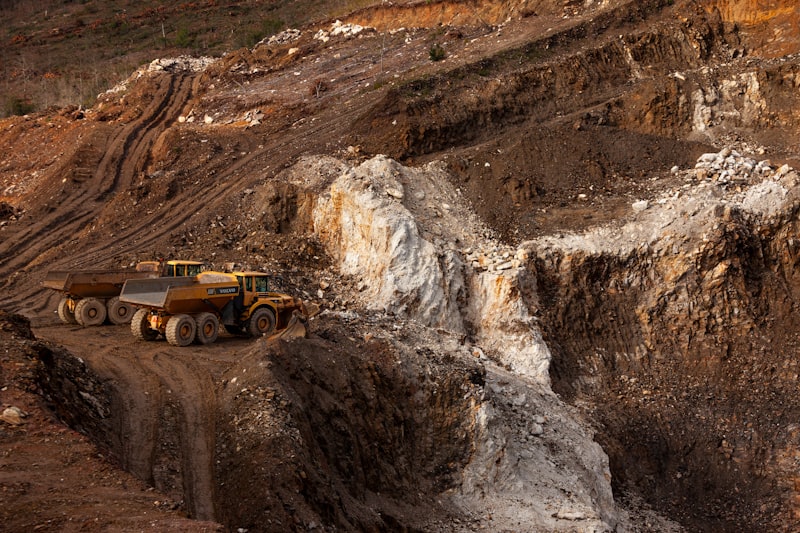
- Mid-sized exporters and producers (Bare Syndicate's Waziristan operation, for example) typically sell concentrate or run-of-mine ore at the upstream end of the value chain and let toll smelters or refineries take it through to cathode. The economics depend on toll smelter availability and TC/RC direction.
Where Buyers Confuse Concentrate and Cathode
- Quoting "the copper price" without specifying LME cash, LME 3-month, COMEX front-month, or SHFE. The four diverge meaningfully and the LME-SHFE arb is a real, tradeable spread.
- Saying "copper ore price." Copper does not trade as ore in seaborne markets — it trades as concentrate (priced against LME minus TC/RC) or as refined cathode (LME plus regional premium). "Ore" is a producer-side term for the upstream feedstock.
- Stating a TC/RC benchmark without naming the year and the counterparty pair. "TCs are $50/t" is meaningless without "the 2026 Freeport–Tongling benchmark" or "spot TC CIF China per Fastmarkets, week of 2026-03-10."
- Interchanging "blister copper" and "refined cathode." Blister is ~98–99% Cu (anode feed for the refinery); refined cathode is 99.99% Cu (LME Grade A). They trade at different prices and serve different downstream customers.
- Omitting penalty elements from any concentrate procurement memo. Arsenic, bismuth, mercury, lead, fluorine, and sometimes antimony all have penalty thresholds at every modern smelter. A "clean concentrate" claim without an assay is a sales line, not a contract term.
- Extrapolating the current near-zero spot TC environment indefinitely. ICSG monthly bulletins show concentrate-vs-refined-supply balance shifts on multi-quarter cycles; the TC trajectory through 2026 depends on smelter capacity additions in China and on miner-side supply growth (Cochilco for Chilean output, ICSG for global).
Practical Procurement Posture
Three habits that distinguish disciplined copper procurement. First, the contract anchor is always the named index plus a pricing window (e.g. "LME Cash Settlement, monthly average of cargo loading month, plus Yangshan premium per SMM"), never "market price at delivery." Second, penalty thresholds get spelled out in the LOI with explicit per-unit deduction rates — not deferred to the seller's "standard terms." Third, independent pre-shipment inspection by SGS, Alfred H Knight, or Bureau Veritas is mandatory for concentrate; cathode goes by warehouse-warrant inspection where applicable.
Next step: Request a delivered-cost indication for copper concentrate from Bare Syndicate's Waziristan operation (Cu 15–25%, dewatered to < 9% moisture, smelter-ready assay pack), or browse the base copper ore page for run-of-mine product.
Last reviewed: 2026-05-16. Pricing snapshot dated 2026-03-10 is outside the seven-day freshness window — queued for refresh against current Fastmarkets and SMM assessments. Contact us for live quotes.