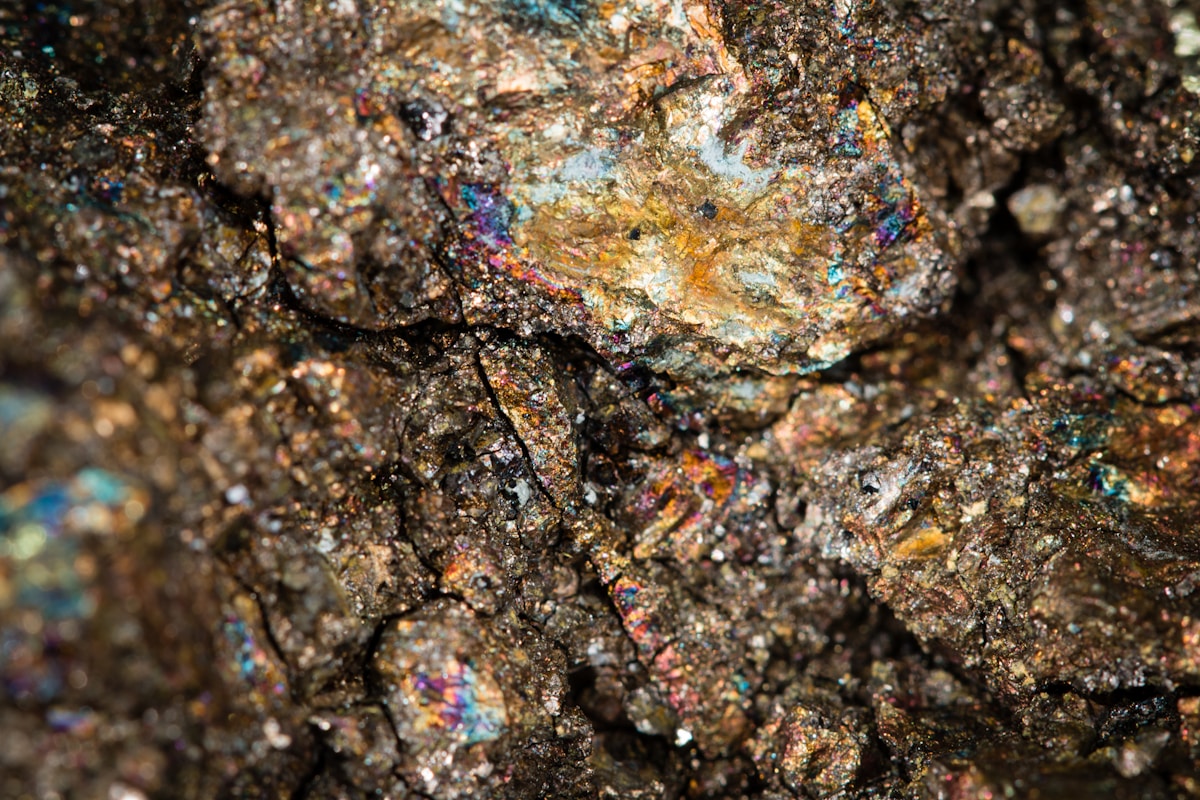
Antimony Concentrates
Origin: Krinj-Chitral & Balochistan Stibnite, Pakistan
Sb: 35–55% | Flotation Concentrates from Pakistani Ore
Available grades & specifications+
Standard Concentrate (35–45% Sb)
Sb: 35–45%, flotation concentrate (industry-standard mid-grade tier per Core Consultants 2025)
General smelter feed, Trioxide refining
High Grade Concentrate (45–55% Sb)
Sb: 45–55%, cleaner-flotation product, low arsenic and lead per smelter contracts
Premium Sb₂O₃ refining, Metal ingot smelting, Defence-grade ingot
Grade comparison +
| Property | Standard Concentrate (35–45% Sb) | High Grade Concentrate (45–55% Sb) |
|---|---|---|
| Sb Content | 35–45% | 45–55% |
| Industry Tier | Mid-grade (Core Consultants 2025) | High-grade — premium pricing band |
| As Content (smelter spec) | < 0.5% (industry reject threshold) | Targeted < 0.4% |
| Pb Content | < 0.5% | < 0.4–0.5% |
| S Content | Sulfide-ore intrinsic | ≥ 20% (premium spec) |
| Source Body | Krinj fines + Balochistan low-grade | Krinj main vein + Qilla Abdullah cleaner flotation |
| Documented Pakistani Upper Bound | Krinj fines: 35% Sb (waste-dump study) | Krinj pilot: 62% Sb @ 95% recovery; Qilla Abdullah lab: 65.12% Sb @ 85.79% recovery |
| Packaging | 1.0–1.5 MT jumbo bags, lined | 1.0–1.5 MT jumbo bags, lined |
| Primary Use | Trioxide refining (general) | Premium trioxide, Metal ingot, Defence-grade ingot |
Origin & supply chain +
Krinj-Chitral and Balochistan Stibnite, Pakistan
Bare Syndicate's antimony concentrates are produced from two Pakistani geological provinces, both with published technical data. The Krinj-Chitral stibnite belt in Khyber Pakhtunkhwa hosts stibnite in veins, lenses, and irregular masses along shear zones in Chitral slates — documented by USGS Professional Paper 0716g (Geology and Mineral Resources of the Chitral-Partsan Area). Pilot-plant studies on the Krinj-Shughor deposit, with head grades of ~19% Sb, have upgraded ore to 62.0% Sb concentrates at 95% recovery via froth flotation using coal-tar / coal-tar-creosote collector blends with sulphuric-acid modification. Lower-grade waste-dump material has been treated to 35% Sb in the finer fraction (screened to 200 mesh). Balochistan adds the Kharan deposit (high-grade stibnite per published metal-extraction research) and Qilla Abdullah / Pishin Basin fault-bound mineralisation, where laboratory flotation with rougher → regrind → cleaner → recleaner staging has produced 65.12% Sb concentrates at 85.79% recovery. Bare Syndicate's commercial concentrate tiers (35–45% and 45–55% Sb) fall within the industry-standard mid-to-high-grade classification described by Core Consultants Group (2025); the higher Sb grades documented in published Pakistani research are pilot- and laboratory-scale upper bounds, not contractual commitments. Every shipment is independently sampled and assayed at the loading port for the full penalty-element suite (Sb, As, Pb, Cu, Bi, S).
FAQ +
What are antimony concentrates?
Antimony concentrates are beneficiated stibnite (Sb₂S₃) products upgraded from run-of-mine ore via froth flotation. Bare Syndicate's source bodies — Krinj-Chitral in Khyber Pakhtunkhwa and Qilla Abdullah / Kharan in Balochistan — supply low-to-mid-grade Pakistani ore (head grades ~19% Sb at Krinj per published pilot studies) that is concentrated to commercial-tier products at 35–55% Sb. The output feeds antimony trioxide (Sb₂O₃) refineries and antimony metal smelters.
What concentrate grades does Bare Syndicate offer?
Two tiers aligned with the industry classification documented by Core Consultants Group (March 2025): Standard Concentrate at 35–45% Sb for general smelter feed and trioxide refining; and High Grade Concentrate at 45–55% Sb for premium Sb₂O₃ refining, metal ingot smelting, and defence-grade ingot production. Pakistani-ore upper bounds documented in published flotation research reach 62.0% Sb at 95% recovery (Krinj pilot plant) and 65.12% Sb at 85.79% recovery (Qilla Abdullah laboratory flotation) — pilot/lab scale only, not contractual commitments.
Where do Bare Syndicate's antimony concentrates originate?
Two Pakistani geological provinces with published technical data. Krinj-Chitral (Khyber Pakhtunkhwa) hosts stibnite in veins and lenses along shear zones in Chitral slates — documented by USGS Professional Paper 0716g and a series of pilot-plant studies on the Krinj-Shughor deposit. Balochistan supplies Kharan (high-grade stibnite per published metal-extraction studies) and Qilla Abdullah / Pishin Basin (fault-bound mineralisation studied in flotation research published in the Bangladesh Journal of Scientific and Industrial Research).
What impurities matter in antimony concentrates?
Per industry-standard smelter contracts (Core Consultants 2025): arsenic (As) is the most penalised impurity — smelters typically reject above 0.5% As with progressive penalties; premium buyers prefer < 0.3%. Lead (Pb) must remain < 0.4–0.5% for downstream flame-retardant chemistry. Cadmium and bismuth are preferred < 0.01%. Sulphur (S) is intrinsic to sulfide ore and counts positively — ≥ 20% S is part of premium specs because it makes downstream processing easier. Every shipment carries independent SGS or Bureau Veritas assays.
How are antimony concentrates packed and shipped?
Concentrates ship in woven polypropylene jumbo bags (typically 1.0–1.5 MT) with inner liners, palletised inside 20-foot containers. FOB Karachi and CIF destination terms are standard. Lead time depends on flotation campaign scheduling — typically 4–6 weeks from confirmed PO. Documentation includes the assay certificate, packing list, certificate of origin, and HS code 2617.10 customs declaration.
Why source antimony concentrates from Pakistan rather than China?
China refined roughly 60–80% of global antimony trioxide capacity before MOFCOM Announcement No. 33 of 2024 imposed export licensing on antimony products (effective 2024-09-15). Western flame-retardant, battery, and defence buyers facing licence uncertainty are increasingly seeking non-Chinese supply. Pakistani concentrates sit entirely outside the Chinese export-control regime, with separate customs codes and origin documentation. National-level Pakistan reserves are documented at ~86,000 tonnes ore per Pakistan's mineral compilation reports.