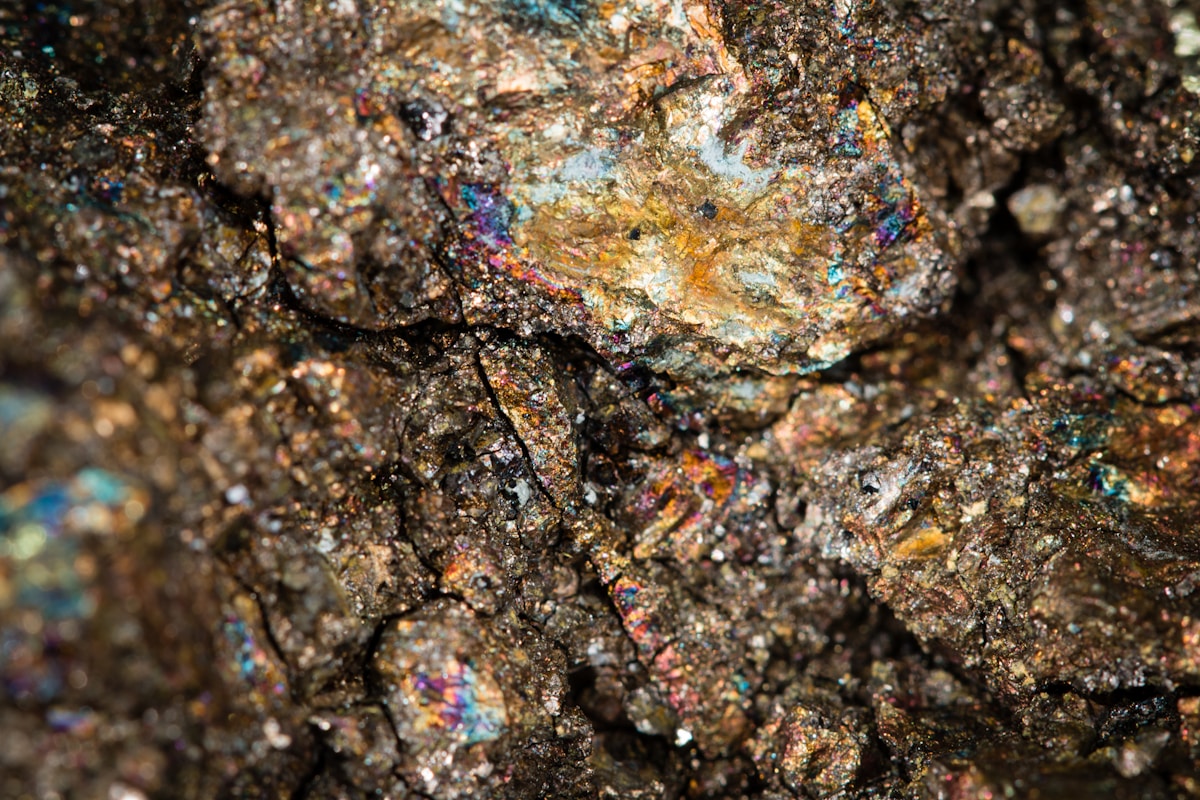
Antimony Ore
Origin: Pakistan & Afghanistan
Sb: 5–35% | Stibnite, Critical Mineral
Available grades & specifications+
Low Grade (5–35% Sb)
Sb: 5–35%, run-of-mine stibnite, requires beneficiation
Flotation concentrate feed, Smelter blending, Hydrometallurgy
Grade comparison +
| Property | Low Grade (5–35% Sb) |
|---|---|
| Sb Content | 5–35% |
| Mineral Form | Stibnite (Sb₂S₃) ± stibiconite oxidation |
| As Content | Variable — assayed per lot |
| Sizing | Crushed lump, -100 mm |
| Standard Use | Flotation concentrate feed, Hydrometallurgy |
| Packaging | 25 MT bulk containers / bulk vessel |
| Incoterm | FOB Karachi, CIF destination |
Origin & supply chain +
Sourced from Pakistan & Afghanistan Stibnite Belts
Bare Syndicate's antimony ore supply spans two geological provinces: the South Waziristan stibnite veins of Pakistan and the Hindu Kush quartz-stibnite belts of Afghanistan (notably Chitral-adjacent districts and northern Badakhshan-equivalent geology). Antimony in these regions occurs as vein and replacement deposits within sedimentary and meta-sedimentary host rocks, mineralised primarily as stibnite (Sb₂S₃) with subordinate stibiconite oxidation products near surface. Run-of-mine ore is hand-cobbed at the pit to remove obvious gangue, crushed to -100 mm, and trucked to our concentration plant for froth flotation. Our integrated upstream presence — from mining lease through beneficiation through Karachi port loading — gives buyers a fully documented, non-Chinese supply route at a time when China's MOFCOM Announcement No. 33 (2024-09-15) has tightened the global trade of antimony products.
FAQ +
What is antimony ore used for?
Antimony ore (stibnite, Sb₂S₃) is the raw feedstock for the antimony value chain. After beneficiation into concentrates and smelting into trioxide (Sb₂O₃) or metal ingot, antimony serves flame retardants (the largest end-use, primarily plastics and textiles), lead-acid battery alloys, defence ammunition, PET catalysts, and a long tail of glass clarifiers and electronics.
Why is antimony classified as a critical mineral?
Antimony appears on the USGS Mineral Commodity Summaries critical-minerals list (2026), the EU Critical Raw Materials Act (Regulation 2024/1252), and equivalent registers in the UK, Australia, Japan, and India. China produces roughly 55% of global mine output and 60–80% of refined trioxide capacity, and imposed export licensing on antimony products effective 2024-09-15, concentrating supply risk for Western buyers.
Where does Bare Syndicate source antimony ore?
From mining leases in Pakistan and Afghanistan — the stibnite belts of South Waziristan, Chitral, and the Hindu Kush. Run-of-mine ore feeds our concentrator plant before export. We do not source from sanctioned regions and maintain full chain-of-custody documentation against the 2024 Chinese export-licence regime.
What Sb content is typical in run-of-mine antimony ore?
Bare Syndicate's run-of-mine stibnite assays at 5–35% Sb depending on the deposit and selectivity of extraction. The lower end of this range is concentrator feed; higher ends can be direct smelter feed after hand-sorting and crushing. All shipments include independent SGS or Bureau Veritas assays for Sb, As, Pb, and S.
How is antimony ore shipped internationally?
Antimony ore ships in 25 MT bulk containers FOB Karachi as crushed lump (-100 mm). Larger volumes can be vessel-loaded for bulk shipment. Typical lead time is 3–5 weeks from confirmed PO. Documentation includes assay certificate, packing list, and certificate of origin against the importing country's customs code (HS 2617.10).
Is antimony ore covered by the 2024 Chinese export-licence regime?
China's Ministry of Commerce Announcement No. 33 of 2024 imposed export licensing on antimony ore, concentrates, trioxide, and metal effective 2024-09-15. Bare Syndicate sources from Pakistan and Afghanistan — outside the Chinese export-control regime — providing Western buyers a supply route that does not require Chinese MOFCOM licensing.