Standard economic theory says high prices summon new supply. In antimony in 2026, supply has barely moved despite trioxide prices doubling. The structural reasons sit in the geology and the mining economics: antimony deposits are almost universally vein-hosted in narrow stibnite-bearing structures, underground mining is the only viable extraction method for nearly all of them, ore grades have been declining in established districts, and environmental permitting cycles run 5–10 years from exploration to first production. This is the supply-rigidity explanation procurement teams need when planning multi-year contracts.
The Deposit Geology Is the First Constraint
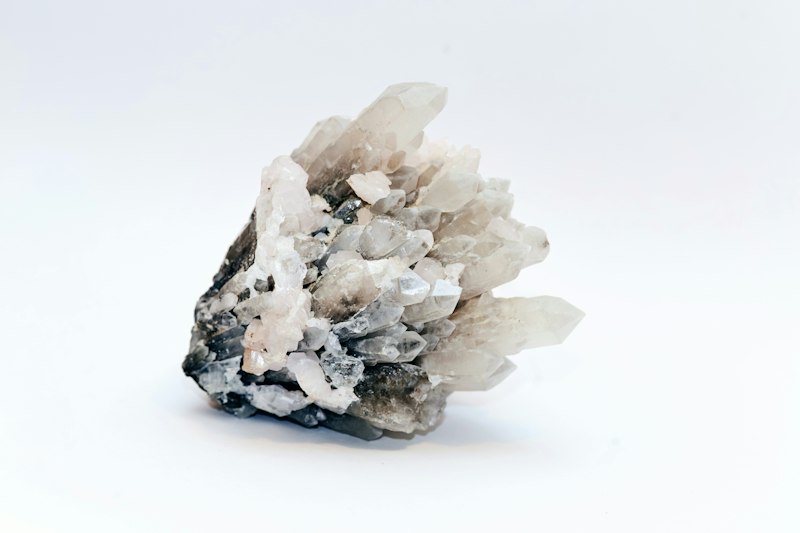
Antimony occurs commercially as stibnite (Sb₂S₃) and to a lesser extent tetrahedrite ((Cu,Fe,Ag,Zn)₁₂Sb₄S₁₃) and valentinite (Sb₂O₃ as oxide). Stibnite is hosted in low-temperature hydrothermal veins — quartz-stibnite ± gold deposits in orogenic belts (the type-case is Hunan province in China, the largest global district), epithermal systems, and stratiform replacement deposits. These are narrow structures — typical vein widths of 0.5–2 metres, sometimes wider in chimney or replacement zones — that don't lend themselves to bulk open-pit mining the way porphyry copper or sediment-hosted lead-zinc does. The Geological Survey of Pakistan and the British Geological Survey both document this pattern in their respective mineral atlases.
Underground Mining Is Expensive and Slow to Scale
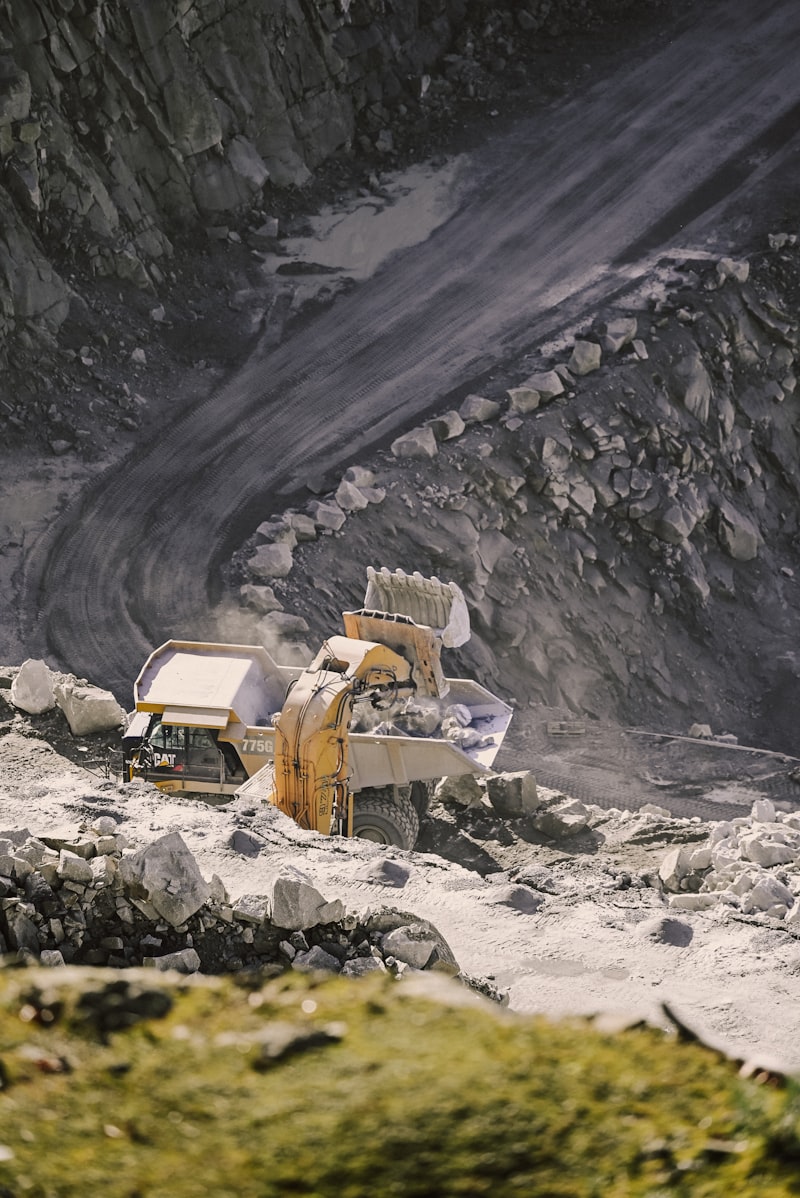
Vein-hosted ores require selective underground mining — cut-and-fill stoping, shrinkage stoping, or narrow-vein drift-and-fill methods. Per-tonne costs are 3–5× higher than open-pit operations of comparable mineral value. Labour intensity is higher; safety and ventilation engineering is more demanding. Modern automated underground methods (long-hole stoping with mechanised LHDs and remote-operated bolters) have improved economics but cannot match porphyry-scale throughput. A typical antimony mine produces 500–2,000 t/yr of contained Sb — a fraction of even mid-size base-metal operations.
Ore Grades Are Declining in Established Districts
The classic Chinese Hunan operations (Xikuangshan, the world's largest single antimony mine historically) have seen ore grades fall from historical highs of 4–6% Sb to current averages closer to 1–2% Sb as the upper, richer parts of the deposits are mined out. Similar grade decline is documented in Tajikistan's Anzob and Konchoch operations. Falling grade means more rock processed per tonne of metal, raising operating costs and reducing capacity even at constant ore throughput.
Environmental and Permitting Cycles Add Multi-Year Lead Times
Antimony processing — both metal smelting and trioxide production — generates SO₂ off-gas, arsenic-bearing residues, and waste streams that require specialist permits. Greenfield antimony operations face the same environmental impact assessment, public consultation, and government approval cycles as any other metal-mining project; in Western jurisdictions this is 5–10 years from exploration to production. The Perpetua Stibnite Gold project (Idaho) took roughly 10 years from initial discovery work to its 2024 Final Environmental Impact Statement.
The Recycling Buffer Is Thin
Secondary antimony recovery — primarily from spent lead-acid batteries via secondary lead smelting under the Basel Convention — contributes ~15% of supply. Battery-recycling growth tracks the slow growth of formal collection infrastructure, particularly in developing markets where informal recyclers handle most volume. Recycling cannot scale fast enough to offset primary-supply tightness.
Where Pakistan and Central Asia Sit
Pakistan hosts antimony occurrences in the Chitral and Hunza regions of northern Pakistan, with historical and exploration activity by the Geological Survey of Pakistan. Tajikistan and Kyrgyzstan host the largest Central Asian antimony districts (Anzob, Konchoch, Kadamjai). All of these are vein-hosted, underground-mined, and constrained by infrastructure access to refining capacity.
Where Antimony-Ore Forecasts Misread
- Stating "antimony is rare." Antimony crustal abundance is ~0.2 ppm — uncommon but not vanishingly rare. The constraint is deposit concentration and mining economics, not absolute scarcity.
- Extrapolating Chinese production tonnages from older USGS reports. Chinese output disclosures lag and the MOFCOM Announcement No. 33 of 2024 (effective 2024-09-15) export-licence regime affects available-for-export figures differently from production figures.
- Equating antimony-bearing tetrahedrite as a major commercial source. Most tetrahedrite is mined as a silver-copper ore; antimony is a by-product credit, not a primary product.
- Assuming Russian antimony output continues at pre-sanctions disclosure levels. Sanctions-affected operators may not report current production publicly.
- Stating "Myanmar antimony production" without acknowledging the operating-environment caveat. Myanmar output includes substantial informal/ASM component with wide confidence bands.
- Inventing reserve figures for any deposit. Reserve disclosures come from JORC, NI 43-101, or country-equivalent reporting; informal "X million tonnes" claims without that backing are speculative.
What This Means for Buyers
The supply rigidity of antimony is structural, not cyclical. Procurement teams that built their 2025 forward books on "high price will bring new supply" assumptions have been wrong. The realistic plan: lock in 6–12 month forward contracts at current spot levels, diversify across non-Chinese existing producers, build strategic inventory of 30–60 days, and monitor the Perpetua / Larvotto / New Brunswick project pipelines for the 2028+ supply step-up.
This supply rigidity is one half of the antimony story; the other is the demand sectors driving the geology-vs-demand mismatch. For the projects that could eventually relieve the constraint, see the non-Chinese supply pipeline through 2030.
Next step: Review our antimony ore and antimony concentrates for grade-by-grade specifications, or discuss sourcing with Bare Syndicate's Minerals & Mining division — established non-Chinese supplier relationships and forward-contract structures available.
Additional Market Context
The USGS Mineral Commodity Summaries 2026 (antimony chapter) is the foundational reference for production and consumption data. Fastmarkets MB publishes the Western antimony benchmark (Rotterdam in-warehouse) and Asian Metal covers the China-domestic price; Argus Metals International provides parallel coverage. China's MOFCOM Announcement No. 33 of 2024 export-licence regime is documented on the MOFCOM website. The US DLA Strategic Materials portal discloses National Defense Stockpile holdings and acquisition authorisations. EU CRMA Regulation 2024/1252 codifies antimony's strategic-mineral status.
For procurement teams tracking antimony specifically, the Perpetua Resources (NASDAQ: PPTA) Stibnite Gold project disclosures, Larvotto Resources' Hillgrove project updates, and Mandalay Resources Costerfield production reports form the non-Chinese supply pipeline monitoring set. Each operator publishes quarterly updates that inform forward-supply expectations.
Last reviewed: 2026-05-16. Production tonnages referenced are USGS Mineral Commodity Summaries 2026 estimates; verify country-specific figures against current BGS and USGS bulletins.